It all begins with flour and an egg or two, maybe four. Nothing flashy, but somehow, when they meet on a clean counter, they start to feel like something bigger, like you’re building something with your hands that’s going to matter in the next hour. You don’t need a pasta machine or a chef’s hat. You just need a little time, a little nerve, and the kind of focus that only shows up when your fingers are covered in dough and your phone’s nowhere in sight. Making pasta from scratch is part cooking, part therapy, part slightly ridiculous chase scene because yes, the dough will try to escape. This is about showing up, with your sleeves rolled, ready to make something real. Something that smells like home and tastes like effort. So grab an apron and let’s leave the boxed noodles behind. Welcome to the world of homemade pasta.
Where It All Begins: Eggs Meet Flour
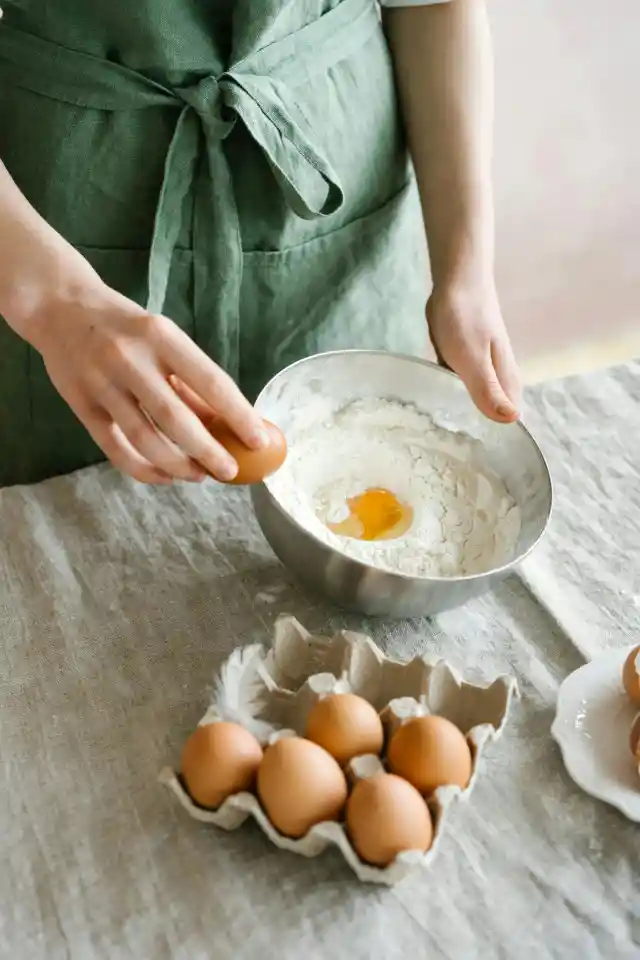
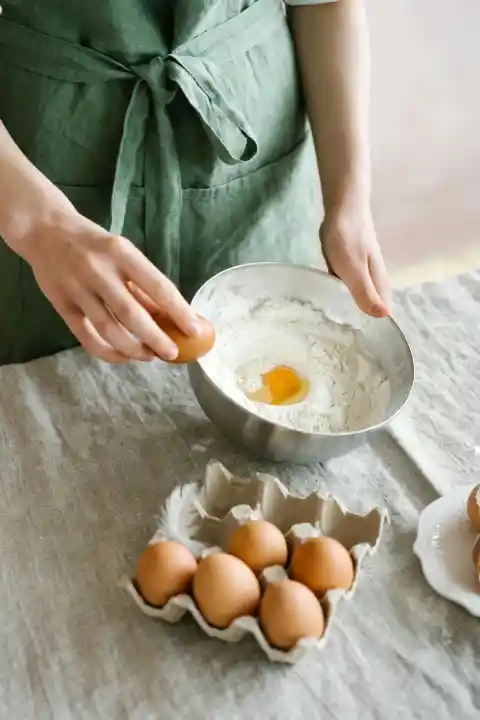
To begin, you need a pile of flour, specifically, two cups of all-purpose flour. A few eggs, and maybe a pinch of salt if you’re feeling fancy. Doesn’t sound like much, but this combo has fed families for generations. For the perfect texture, measure out four large eggs. It doesn’t sound like much, but this combo has fed families for generations. There’s something kind of hypnotic about watching the eggs slowly disappear into the flour like they were always meant to be together. At first, it’s chaos. Your fingers get sticky, and the flour fights back. You might wonder if you’ve already messed it up. But keep going, it will eventually turn into dough, soft, stretchy, and warm. It should feel like it’s breathing a little under your hands.
Kneading: The Dough Workout
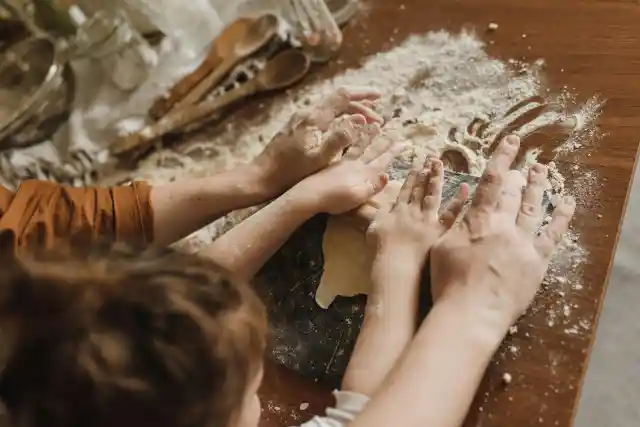
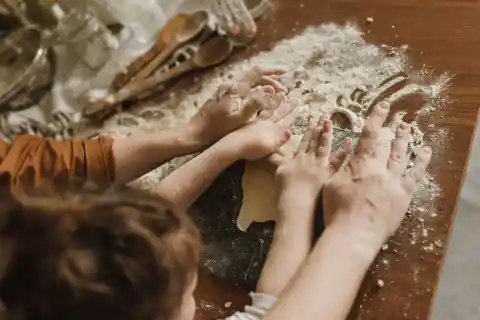
This is where people either fall in love or walk away. Kneading isn’t optional; it’s the part where the dough becomes dough. The first few pushes feel weird, like trying to dance with someone who’s not into it. But then your hands find a rhythm and the dough softens. The counter becomes your stage, and you feel a quiet rhythm to it that's kind of like meditation, but with carbs. After ten minutes, your arms will be a little sore, but you will have earned the right to eat a mountain of pasta later. Don’t stress if it’s too dry or too sticky. Dough is forgiving. If it’s tough, let it rest, and if it’s gooey, add a bit more flour. Trust your hands, they’ll know when it’s ready.
Let It Nap
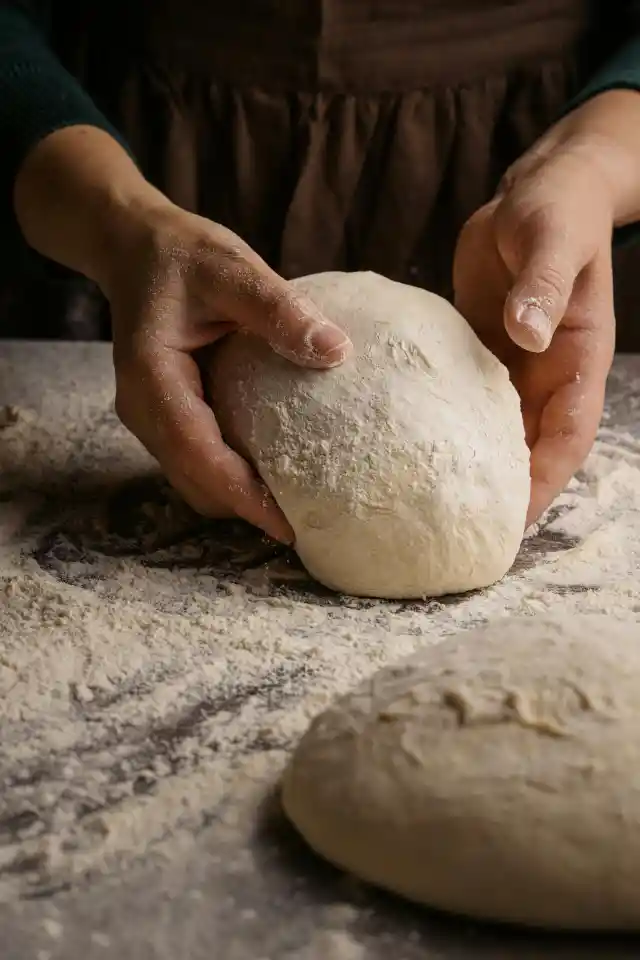
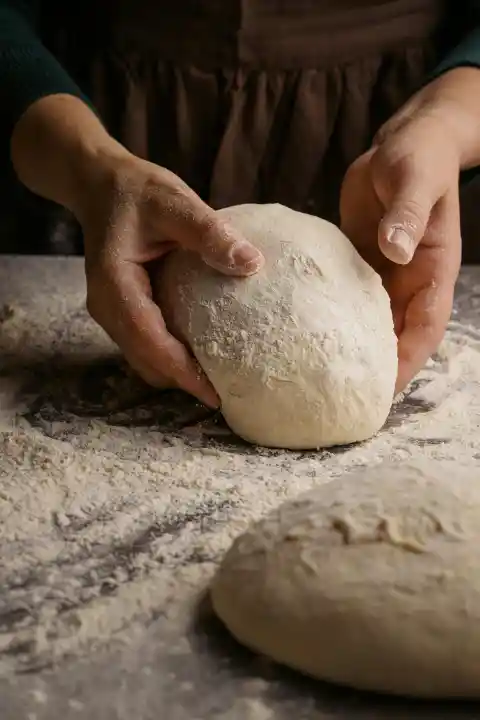
Once your dough is smooth and soft, it needs a break. Cover it up and walk away, and just let it chill. This is when the flour relaxes, which basically means it’ll be easier to roll out later. This is your moment to breathe, clean the counter, or pour a drink. You might even start thinking about sauce, maybe a garlicky tomato one, or a creamy carbonara that hugs every noodle. Whatever it is that you go for, the dough nap gives you time to plan.
Rolling: The Real Deal
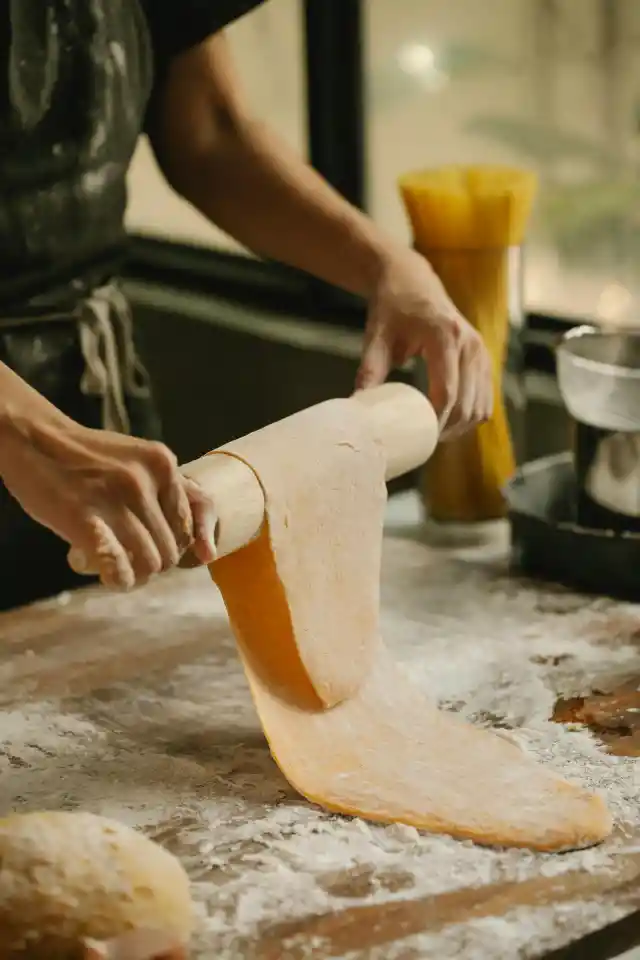
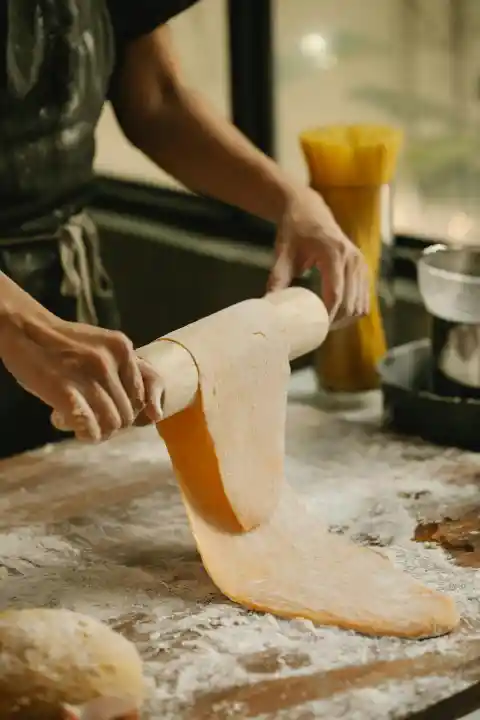
This is when things get serious. You can use a pasta machine if you’ve got one, or just a rolling pin and some elbow grease. The goal is to roll it thin enough to see your hand through it, but not so thin that it tears. The first roll is rough. The dough pushes back, but keeps going. With a little patience, it starts to stretch and get smoother. The color deepens, and suddenly, you’re not just making dinner, you’re creating something. The process is messy and hands-on, and when that sheet of dough finally lies flat and smooth, you’ll feel like a pasta wizard.
Slice and Style
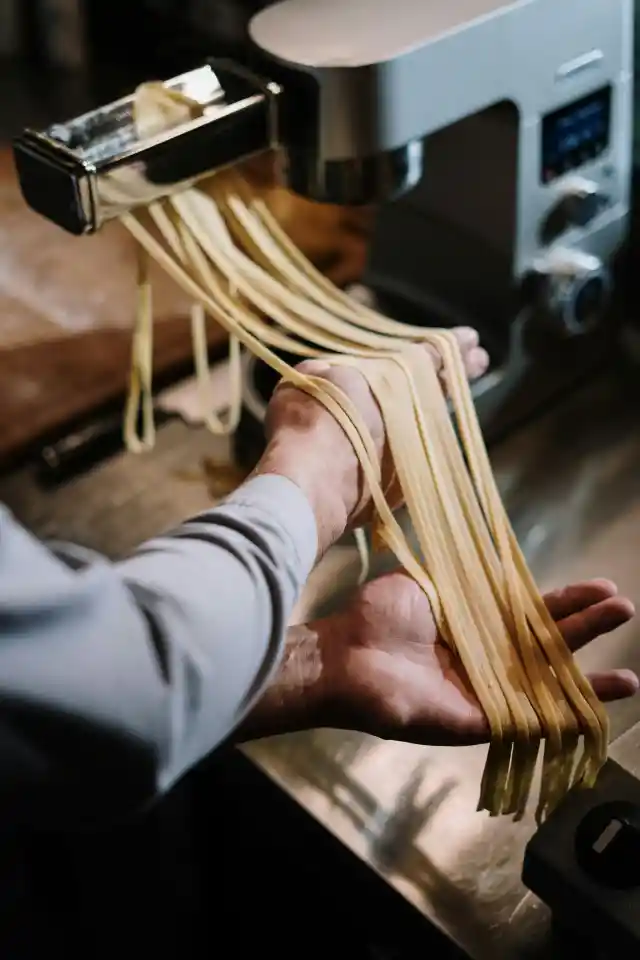
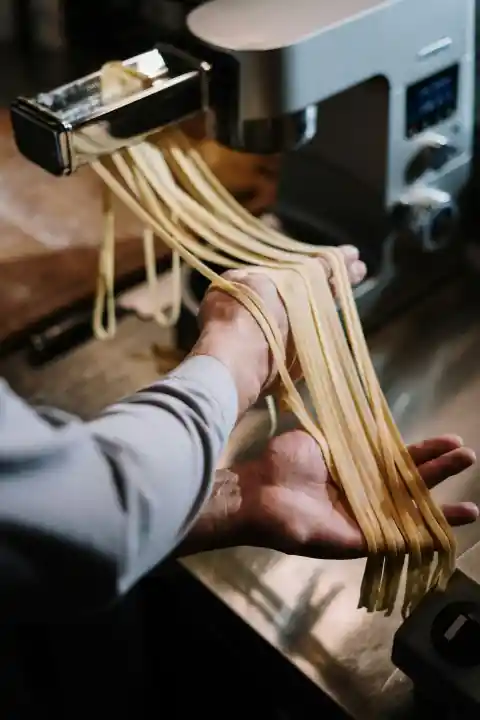
Now comes the fun part: cutting your pasta. Fettuccine, tagliatelle, pappardelle… It’s all just different ways to say “you did it.” Roll the dough up gently, then slice it into ribbons. The knife should make a soft sound, like flipping pages in a book. Unroll the strands and watch them fall into perfect little piles. You can hang them to dry or toss them straight into boiling water. Either way, they cook fast, just a few minutes, and they’re done. Store-bought pasta can’t compete. This stuff is fresh, soft, and tastes like sunshine and effort with a little bit of pride.
Sauce: The Finishing Touch

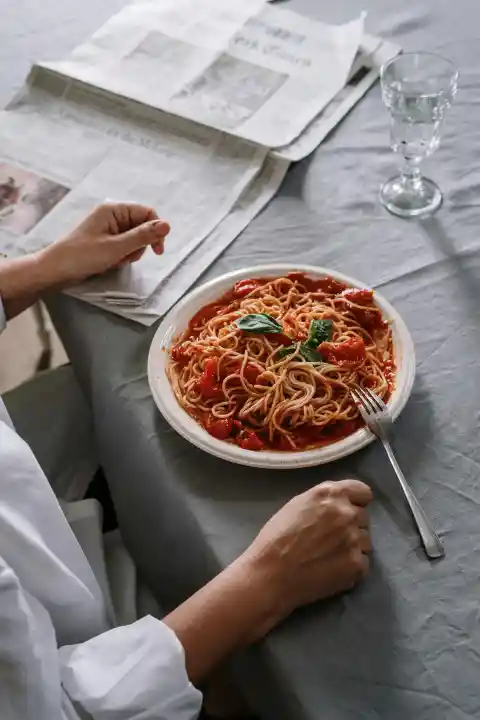
Pasta without sauce is like a song without music, bland, right? The best sauces don’t cover the pasta; they dance with it. A little olive oil, some garlic, maybe a sprinkle of cheese, that’s all you need. Don’t overthink it. You don’t need a long recipe or a dozen ingredients because fresh pasta already tastes amazing. The sauce is just there to make it shine. Butter and lemon are perfect, or you can opt for a slow-cooked tomato sauce that fills the kitchen with warmth. Taste as you go and trust your gut. The pasta will tell you what it needs.
Time to Eat
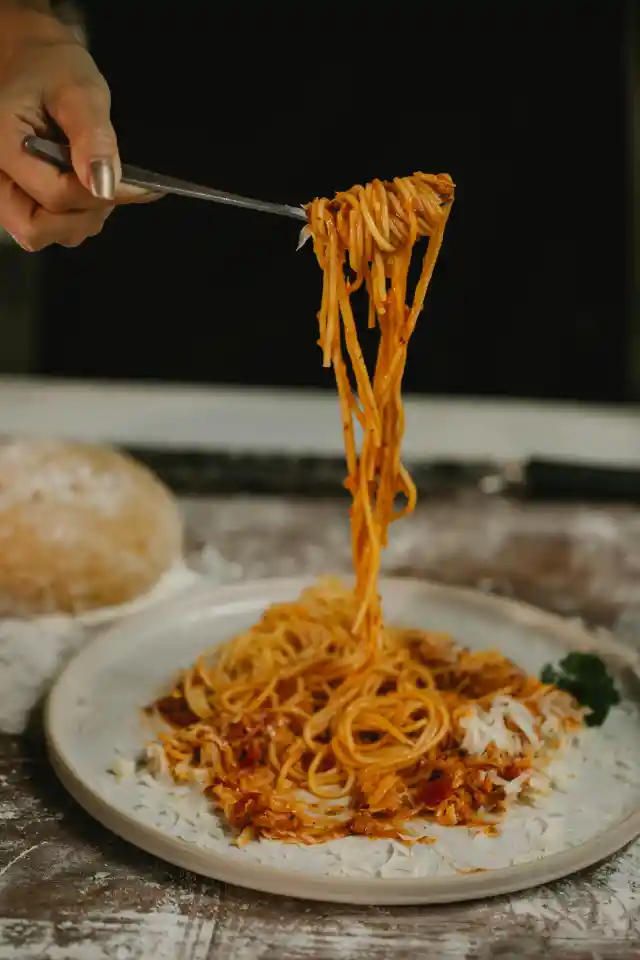
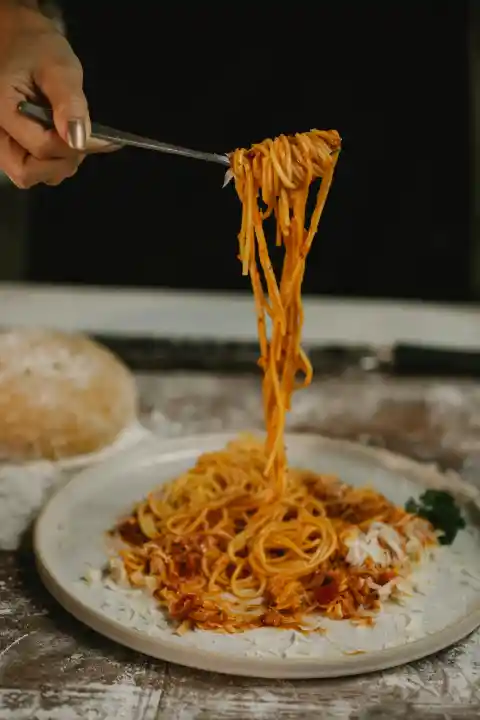
This is the best part of all. The pasta’s on the plate, steam rising, and that first bite? It's soft, chewy, and full of flavor. It’s more than dinner; it’s tradition. People have been mixing flour and eggs, rolling dough, and feeding families for centuries, and now you’re part of that story. The kitchen is a mess, with flour on your shirt, sauce on your chin, and the sink in chaos, but you made something real. It's not perfect, but it's yours. Homemade pasta teaches patience, trust. It reminds you that joy can be messy, and comfort doesn’t need polish. So when you twirl that last noodle and taste the effort, you understand: this isn’t just food, it’s love with a side of carbs.