A windowsill dotted with tiny pots can feel like a secret stage, where plants rehearse their roles in silence until someone leans close enough to notice. A miniature garden carries a strange confidence, as if the world has shrunk itself to be more manageable for once. For many, this hobby begins as a harmless distraction, but somewhere between the clink of tiny tools and the earthy scent of damp moss, it grows into something larger in spirit. Suddenly, mornings that used to feel rushed and boring carry a spark of green. Miniature gardening is more than decoration. It’s play, patience, and imagination stitched together in soil. This is your guide to embracing the art of miniature gardening.
A Tiny Plot With Big Attitude
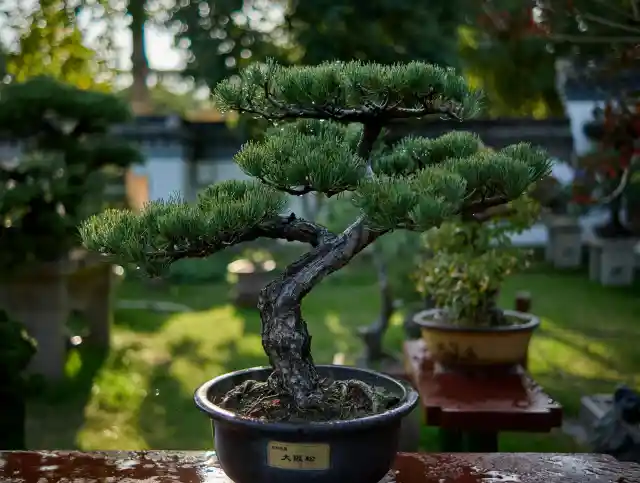
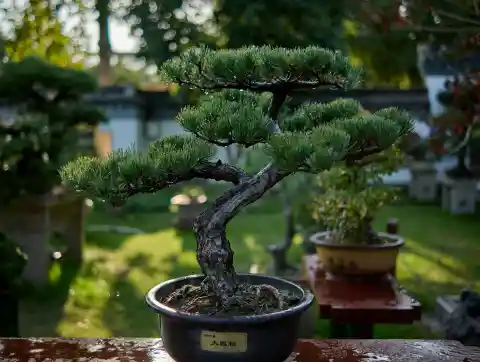
Some gardens arrive with grand plans, but miniature ones prefer to roll in wearing sunglasses and a smirk, convinced they’re the real stars of the yard. Watching a plant barely taller than your thumb behave as if it’s running an entire kingdom is hilarious and inspiring. That sense of scale so small it borders on ridiculous frees the gardener to experiment. A shallow tray of soil transforms into a hillside where moss becomes a forest and a pebble suddenly holds the weight of a mountain. Details matter here: brushing away crumbs of soil feels like tidying a dollhouse. And in all that gentle fussing, pride blooms. It’s silly, yes, but it feels triumphant.
The Thrill of Choosing Pocket‑Sized Plants
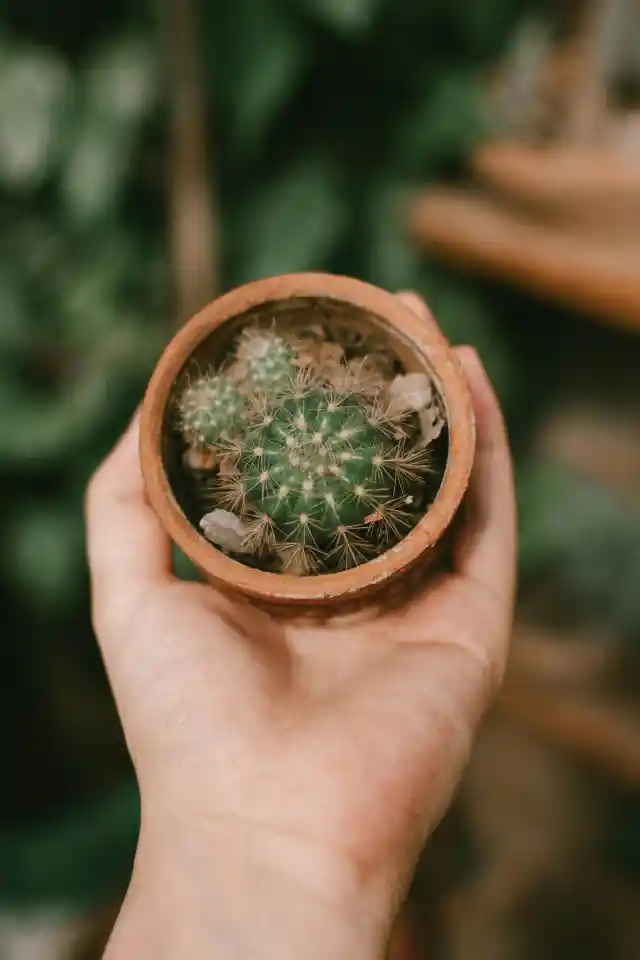
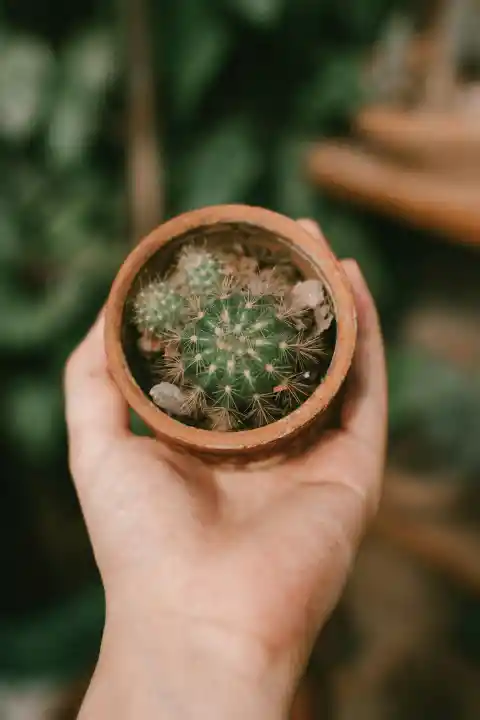
Part of the fun lies in picking plants that look like they escaped from a storybook. Browsing for tiny greenery turns even practical shoppers into people who coo at seedlings the way others gush over puppies. The choices are endless: shy succulents, sprightly herbs, and mysterious ferns that seem to whisper on their own breeze. Each plant carries personality, and somehow the smallest ones act like they’re auditioning for the lead role. Gardeners wander through selections with devotion, sniffing leaves that smell faintly of lemon or rain‑soaked dirt. Choosing the mix feels like casting characters for a play. Bigger gardens demand a strategy, but miniature ones often invite charm first, then logic later.
The Joy of Building Little Worlds
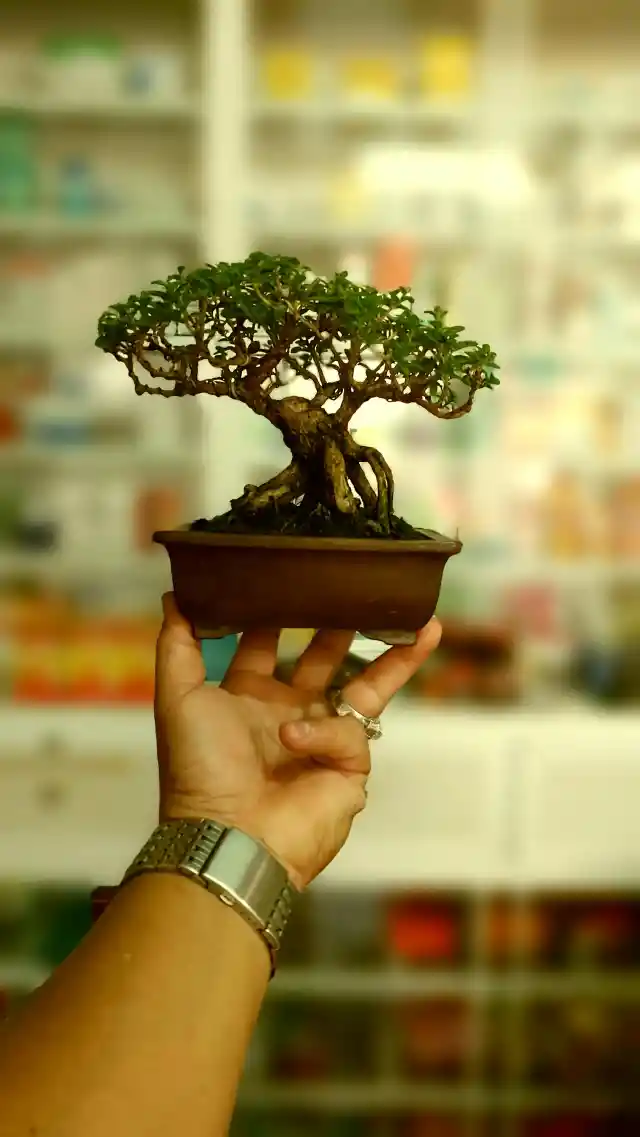
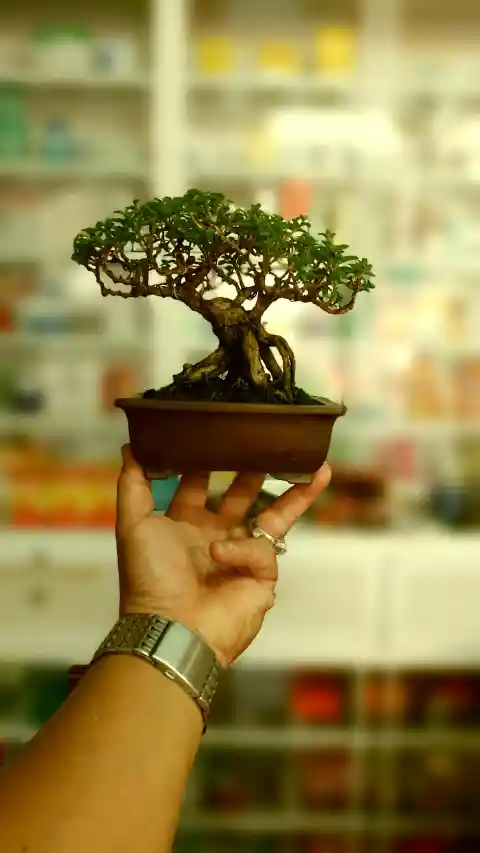
Give someone a shallow pot and a handful of props, and suddenly they become an architect with questionable priorities but excellent taste. Miniature gardening encourages a playful world‑building, the kind adults often abandon when life gets crowded. In this world, a twig doubles as a tree trunk, a bottle cap becomes a pond, and a chipped tile moonlights as a patio. Arranging these bits feels engaging, like adjusting the soundtrack of a day. The gardener leans in close, noticing textures that usually fade into the background, the grit of sand, and the cool slip of stones. In these little worlds, imagination stretches its legs with zero pressure.
The Comedy of Tiny Tools
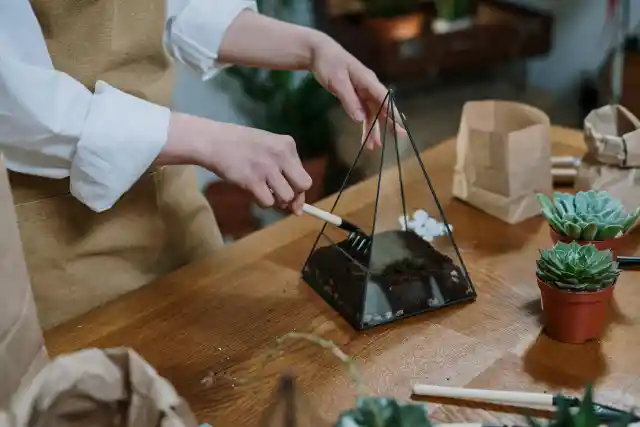
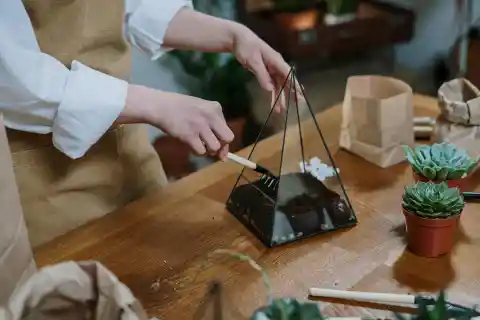
Every miniature gardener eventually falls for the ridiculous charm of tools small enough to make a mouse feel powerful. There’s a trowel the size of a popsicle stick, a rake that rattles like a toy, and scissors that snip with the softest whisper. Using them is half comedy and half meditation. The gardener bends low, concentrating far too seriously while wielding gear that looks borrowed from a child’s craft box. Yet the process has sweetness. Those little tools slow the rhythm of tending, turning chores into a ritual. The soil feels softer when moved an inch at a time, and trimming a leaf becomes a moment worth noticing. Somewhere in this small‑scale choreography, a truth emerges: caring for something doesn’t have to be grand to feel meaningful.
The Drama of Miniature Weather
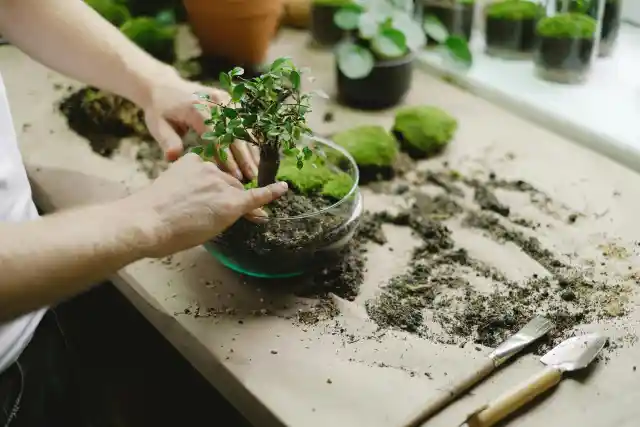
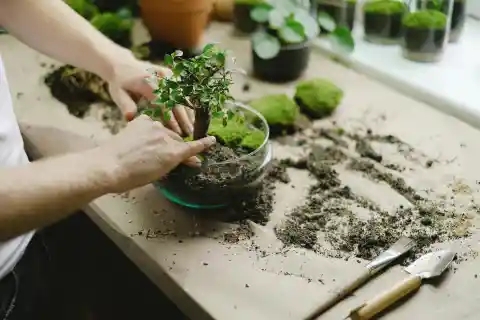
Anyone who dotes on a tiny garden knows sometimes funny stakes of weather that barely qualify as weather. A stray draft from an open window feels like a storm. A beam of sunlight lingers too long, and suddenly the gardener scrambles to relocate a plant that looks mildly offended. This small‑scale drama makes the experience feel a little more alive. The stakes are tiny yet sincere. Each adjustment, say a tilt toward morning light or a sip of water delivered with theatrical care, becomes a moment of connection. Miniature weather never makes the news, but it pulls the gardener closer to rhythms that keep the little world thriving.
The Surprise of Everyday Calm
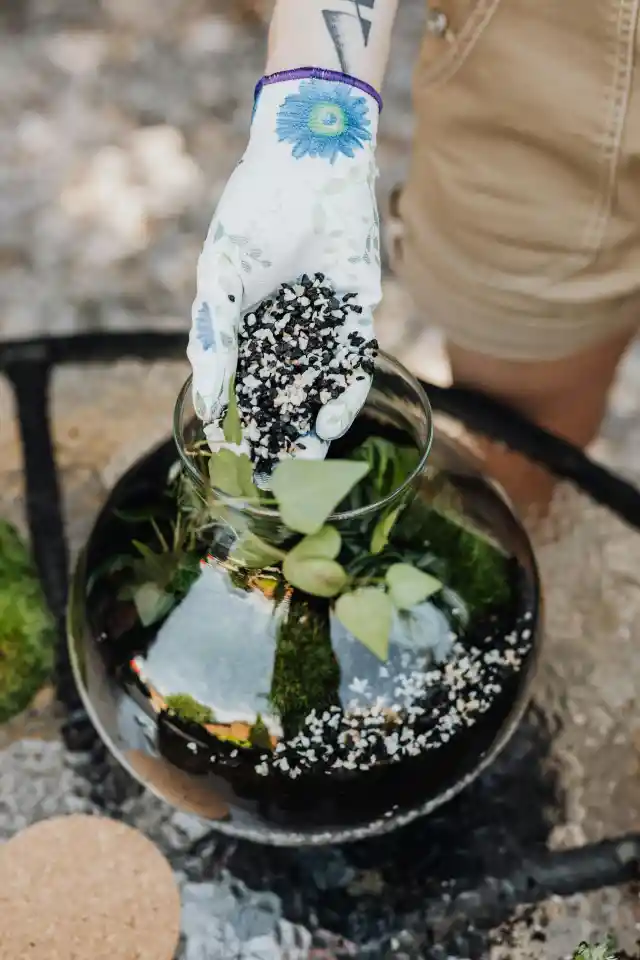
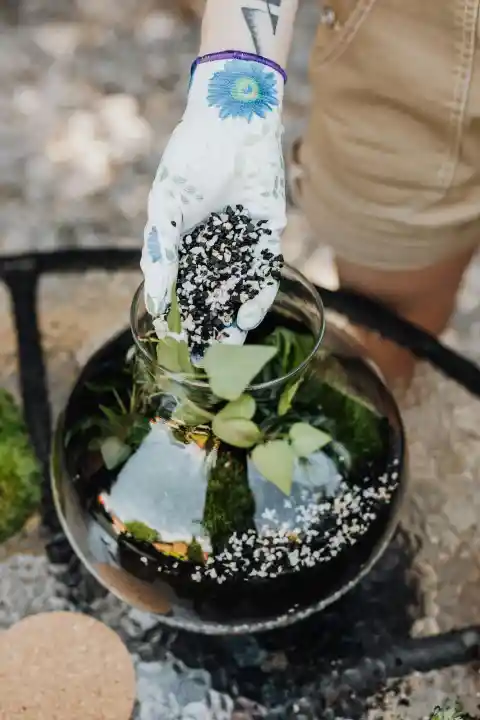
Miniature gardens have a sneaky talent for steadying moods. They slip whispers of calm into moments that might otherwise unravel. Tending them doesn’t require grand gestures, just gentle checks that fit between morning routines or late‑night unwinding. Smoothing soil or nudging a pebble back into place are actions so small they barely register, yet they can steady a racing heart. Even the faint scent of damp earth feels grounding, like the first inhale after stepping outside. These gardens reward stillness instead of hustle, and in a world that spins too quickly, well, that pocket of unhurried presence becomes a peaceful refuge.
The Delight of Sharing the Small Stuff
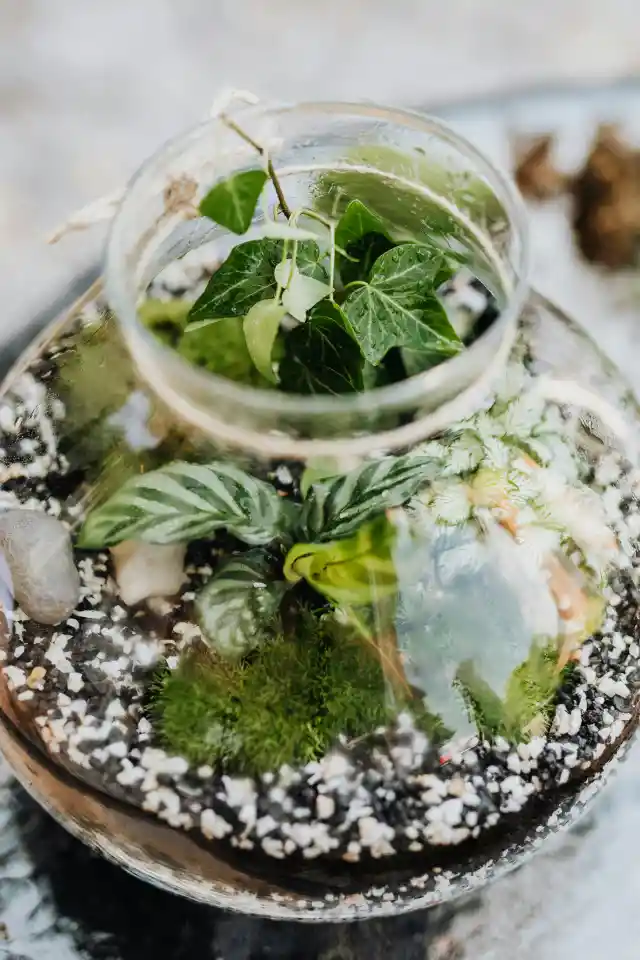
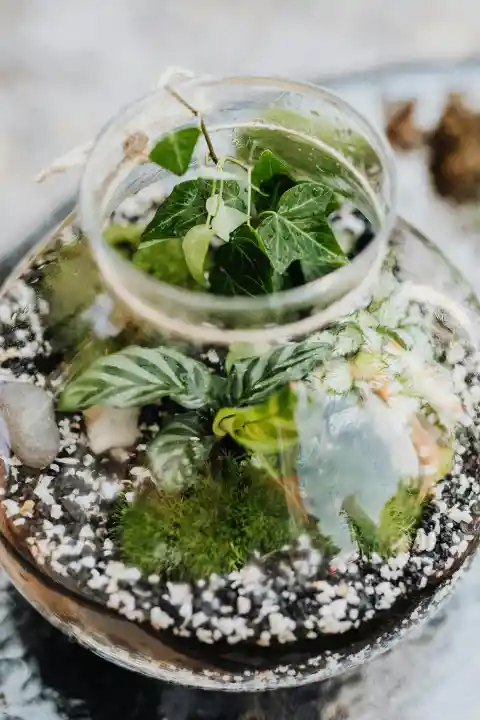
When you discover miniature gardening, you’ll likely drag others into the charm. Your friends start getting updates about moss patches that finally filled in, or stone staircases that turned out level on the first try. These stories may sound ridiculous, yet they spark delight because they celebrate humble wins. Sharing becomes a ritual. It might start with a photo sent in a message, a peek at a windowsill masterpiece, or a laugh over a plant leaning like it’s had a long day. Even non‑gardeners end up rooting for these little landscapes, checking in with genuine curiosity. The joy spreads quickly, maybe because miniature gardens remind everyone that happiness doesn’t have to be flashy. It can be soft, silly, and small enough to hold in one hand and still brighten the day.