Walking into a kitchen that smells like fire and food, deciding to flirt a little has a thrill to it. This place produces an aroma that greets you before you’ve even dropped your bag. That scent carries stories: campfires by the lake, late‑night cookouts, or the memory of someone burning marshmallows on purpose just to taste the char. Most people assume you need a hulking smoker to capture that flavor, the kind that hogs half the patio and makes neighbors sigh dramatically through their blinds. But not everyone has the space, the budget, or the patience to babysit a contraption that looks like it escaped from a barbecue contest. The good news is that smoky magic is easier to fake than it looks. With a little creativity and a willingness to let your kitchen smell like a woodland reunion, you can pull off flavors that taste like they came straight from the fire pit. And this is how to get it done.
Stovetop Mischief: The Foil‑Wrapped Shortcut
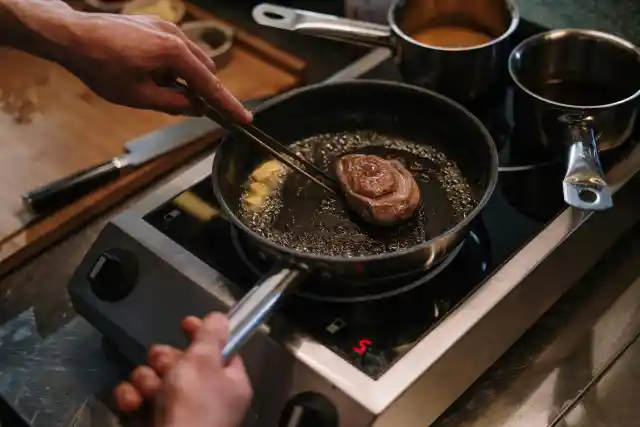
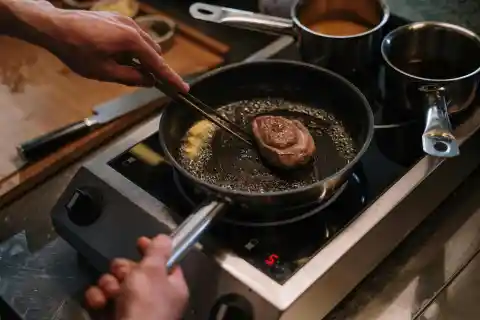
The stovetop trick feels like building a secret backyard grill inside a pot. It’s the kind of hack that makes you grin because part of you wonders if you’re breaking a rule. The setup is simple: foil, a sprinkle of damp wood chips, and a heatproof rack inside a pot with a lid that fits snugly. As the heat nudges the chips, a curl of smoke rises in a soft, fragrant scent that's just dramatic enough to coat your food with that unmistakable outdoorsy note. The best part is that it works fast, so you don't need to commit an entire day to smoking your food. The process is brief but satisfying, leaving your kitchen smelling heroic and your meal tasting like you worked harder than you did. This is perfect for small portions: a couple of chicken breasts, a handful of veggies, even cheese if you’re feeling bold.
The Oven’s Secret Talent
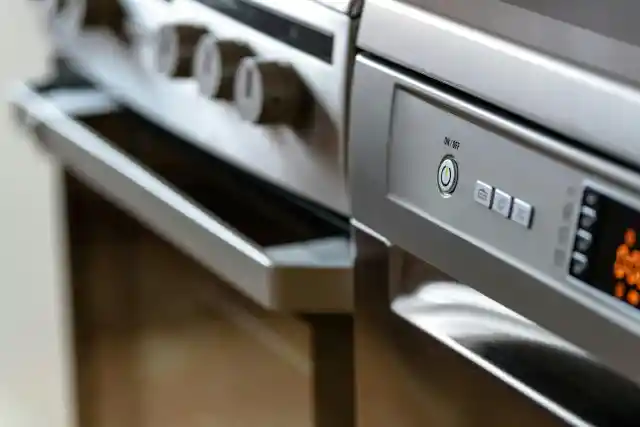
Ovens are dependable, but are rarely celebrated for personality. Give them foil, wood chips, and a little patience, and suddenly they’re capable of smoky theatrics worthy of a cooking show. The trick is coaxing the chips to smolder instead of igniting. Low heat is the key. Once warmed, the chips behave like scented confetti, drifting upward and wrapping meats or vegetables in a slow, comforting fog. The oven method feels gentler than the stovetop; it's less street drummer, more jazz musician.
A Dance with Liquid Smoke
Liquid smoke sounds like a science experiment gone rogue, but it’s really just condensed smoke bottled for convenience. A drop or two slips into marinades, sauces, or rubs with the confidence of a spotlight thief. It’s the shortcut for busy nights when dinner needs to happen faster than your motivation. The secret is restraint; make it too much, and your dish starts tasting like a chemistry lesson. But when used carefully, it delivers that satisfying campfire kiss without trays, chips, or gadgets. Think barbecue sauce with a smoky backbone, chili that tastes like it simmered by the fire. Liquid smoke is a flavor for the practical dreamer, the cook who wants the vibe of a cookout without the logistics.
Charcoal Drama Without the Grill
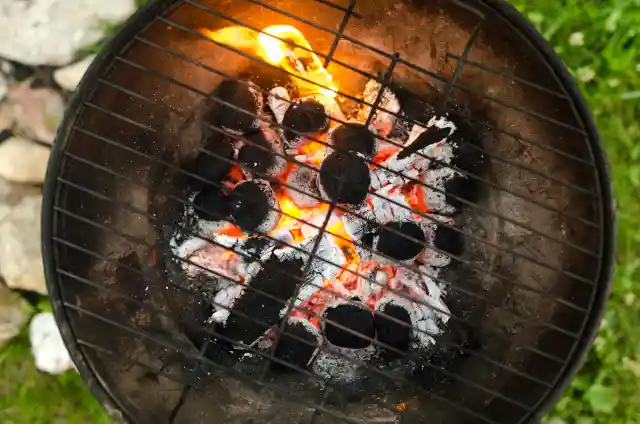
Cooking with charcoal is theater: the smell, the crackle, and the glow. Even without a grill, charcoal can lend its bold personality indoors. Here’s how: heat a small piece until glowing, place it in a heatproof dish inside your cooking vessel, and let your ingredients mingle with its smoky aura. Charcoal releases a deep, earthy fragrance that no spice blend can imitate. It works beautifully with dishes that lean towards savory, like curries, stews, and roasted meats, adding swagger that makes them feel more intentional than they were.
Spice Cabinet Sleight of Hand
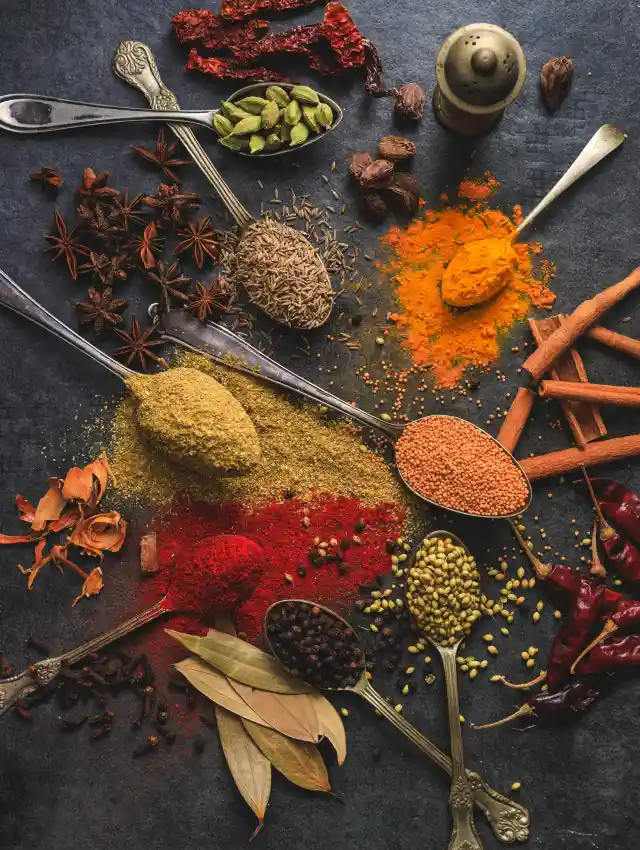
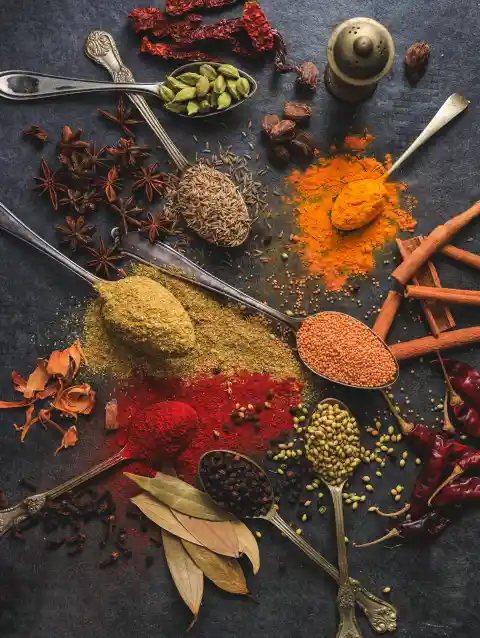
Sometimes smoke comes not from fire but from the jars hiding in your spice rack. Smoked paprika, chipotle, and chili blends carry built‑in campfire undertones, making them effortless paths to that slow‑cooked taste. These spices behave like the chatty friend who crashes the party but makes it better. A sprinkle here, a dash there, and suddenly your food hums with warmth and personality. The beauty is in the flexibility: bold enough to stand alone but gentle enough to play nicely with whatever else you’re cooking. Just a quick shake, a soft sizzle, and a vibe shift that feels almost too easy. For shortcut lovers, spice‑driven smokiness is pure gold.
The Broiler’s Rebel Phase

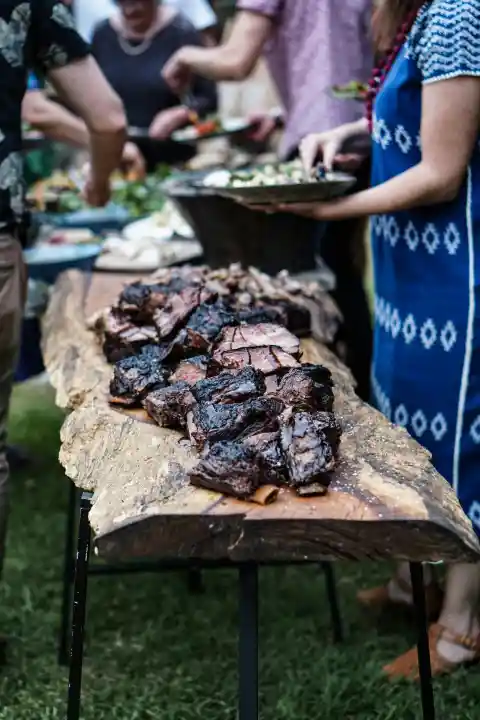
The broiler has a reputation for burning dinner, but when treated right, it delivers char that tastes remarkably smoky. It’s not true smoking, but the broiler’s fierce top‑down heat creates blackened edges that mimic the real thing. The trick lies in being vigilant, watching food like it owes you money because the broiler moves fast. The payoff is worth the nerves. That crackle adds flavor that hints at outdoor cooking without stepping outside. Broiler smokiness shines with veggies, breads, and thin cuts of meat.
Tea Leaves and Other Oddball Aromatics


For adventurous cooks, wood chips aren’t the only option. Tea leaves, herbs, and citrus peels can smolder gently, releasing complex aromas that drift into your food. A handful of black tea produces rich, almost sweet smoke that pairs beautifully with meats, whilst dried rosemary or orange zest adds brightness. It’s not traditional, but that’s half the fun. Experimenting with aromatics feels like curating a playlist, with each ingredient bringing its own personality. Your kitchen becomes a tiny perfume shop where everything smells delicious. The results are unique, rewarding, and perfect for anyone who likes cooking to feel like a low‑key adventure.