The belt is a small thing with a loud personality. It can cinch a waist, tame a blouse, or turn a tired dress into something that stops people mid‑conversation. A good belt is like a wink; it's subtle, confident, and a little bit mischievous. This piece is about the joy of choosing the right strap, the tiny rituals of looping and fastening, and the quiet power of an accessory that often gets shoved to the back of the drawer. Here’s how to accessorise your belt with flair, without fuss, and with a little attitude.
A Belt That Speaks First
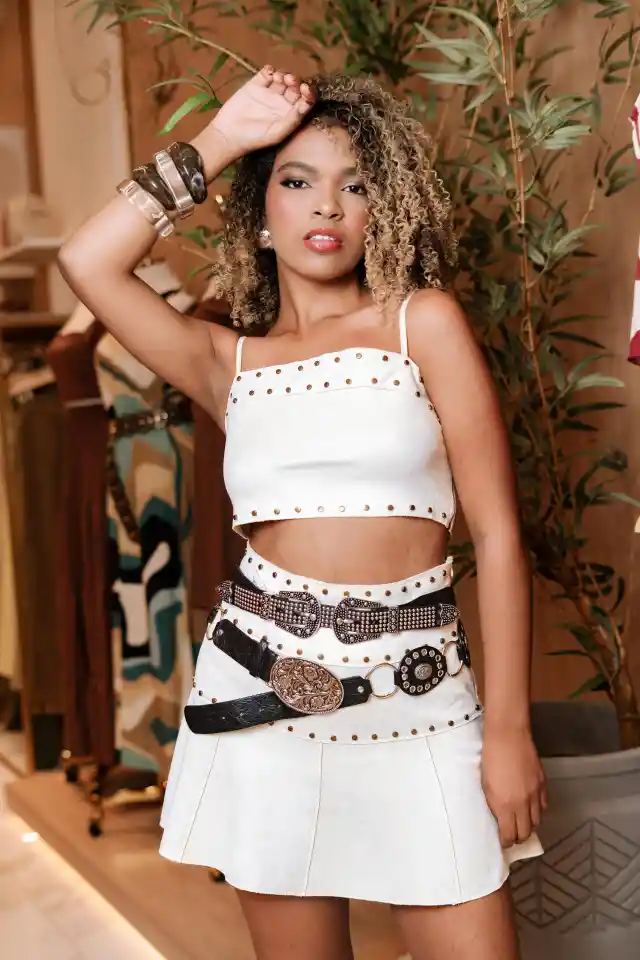
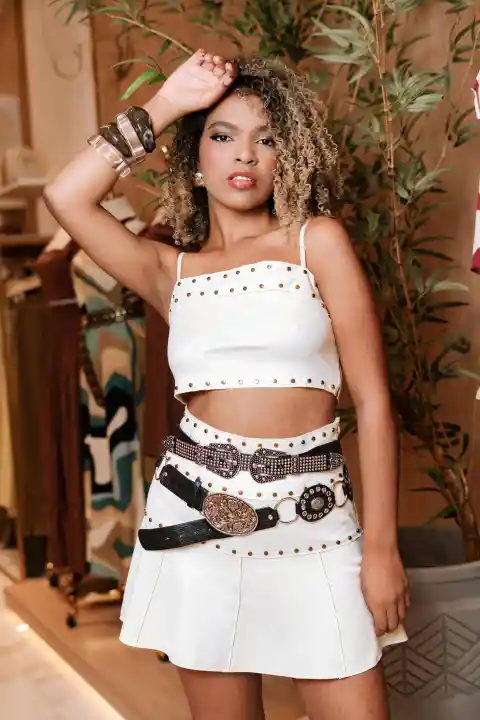
When someone walks into a room, and their belt announces them, that’s definitely not an accident. The first rule is simple: let the belt do the talking when the outfit needs a voice. A wide leather belt with a bold buckle can make a plain dress feel deliberate. A slim metallic strap whispers elegance across a silk blouse. The trick is balancing it out. If the clothes are loud, choose a belt that listens; if the clothes are quiet, pick a belt that sings. There’s a tactile pleasure in threading a belt through loops, feeling the leather warm under the fingers, hearing the soft click of the buckle.
Casual Doesn’t Mean Careless
Casual outfits often suffer from a lack of intention. Jeans and a tee can drift into sloppy territory without a tether. This is when a well‑chosen belt rescues the look. Think of a woven or canvas belt for weekend ease, something that feels like a handshake rather than a proclamation. A simple belt can make a grocery run feel styled. It’s not about formality; this is because a belt can anchor proportions, pull a shirt into a flattering tuck, or add a pop of color that makes the whole outfit read as thoughtful.
The Power of Proportion
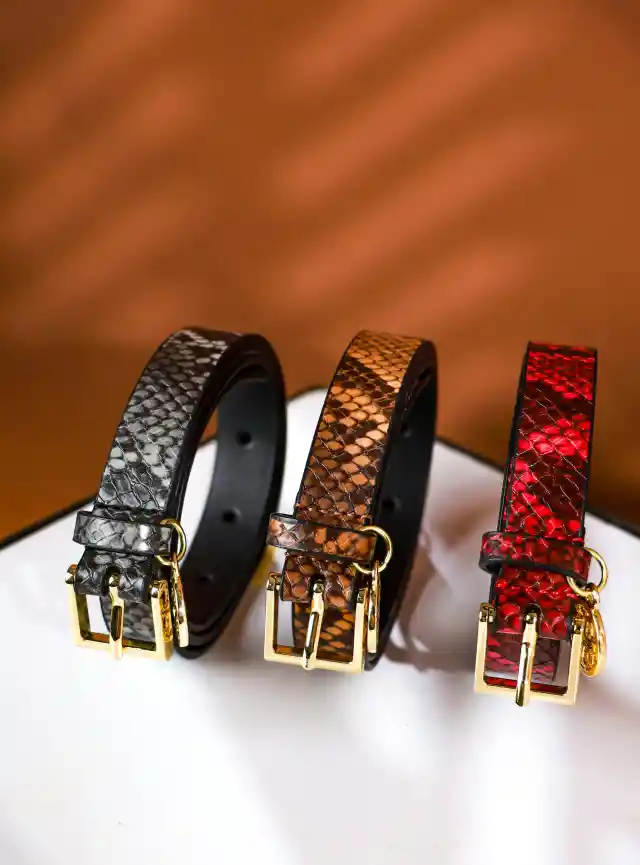
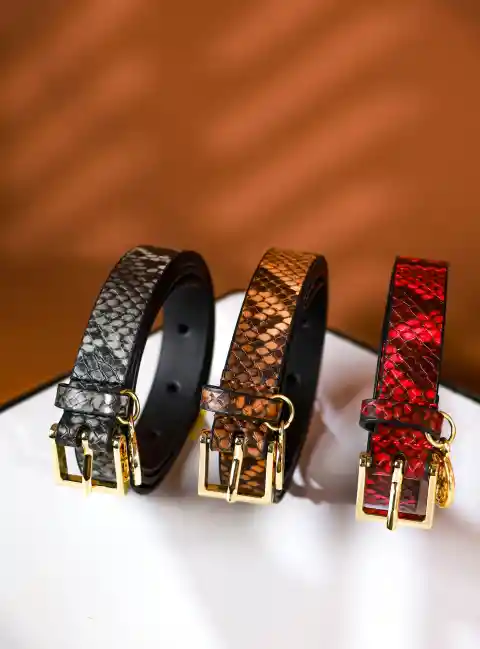
Belts are geometry in motion. They change how clothes sit and how bodies read. A narrow belt on a large dress creates a waist where there wasn’t one. A wide belt on high‑waisted trousers emphasizes length and structure. One should try a quiet experiment of swapping belts to see how a silhouette shifts. It’s like adjusting the frame around a painting; suddenly, the image changes. Proportion is not a rulebook; it’s a playful tool, so be open to trying a few options and notice which one makes you stand a little taller.
Texture Is the Secret Language


Texture speaks without words. Smooth leather has classic and confident vibes. Suede feels softer, more intimate, and braided belts bring a casual, tactile charm. A belt’s texture can echo other elements in an outfit: the grain of a leather bag, the fuzz of a wool coat, or the sheen of patent shoes. Mixing textures creates depth, for example, a glossy belt against matte fabric creates a tiny drama
Color as a Quiet Rebellion
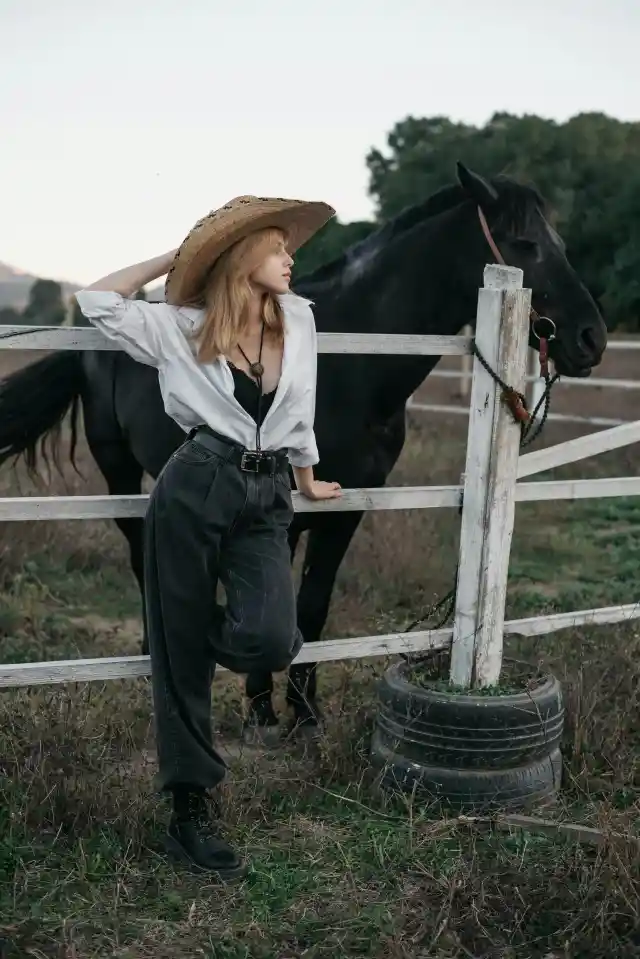
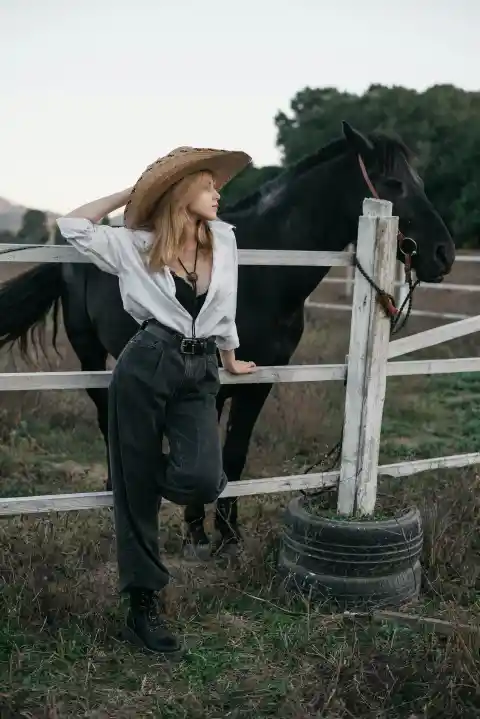
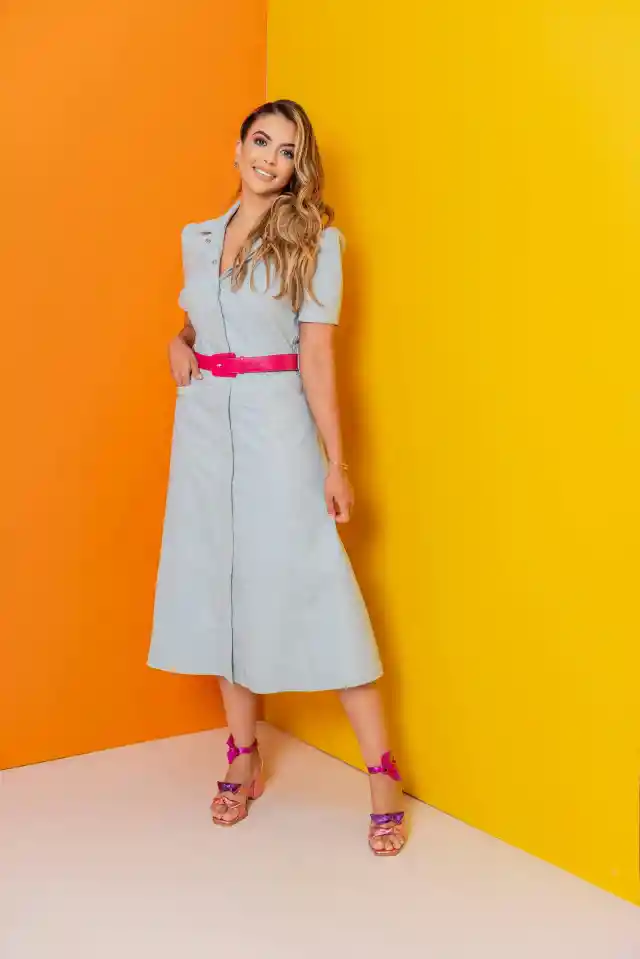
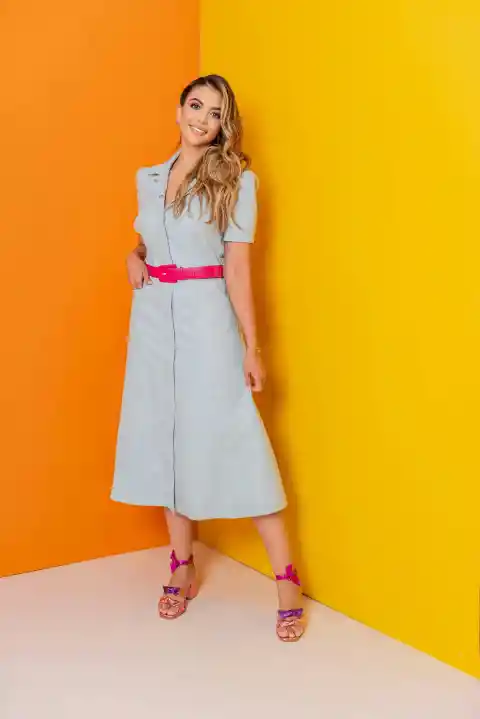
Belts are a safe place to flirt with color. A neutral outfit can handle a bright belt like a single exclamation point. A pop of red or a mustard strap can lift a muted palette and make someone look instantly more awake. Color can also be a mood signal: earthy tones feel grounded and calm, jewel tones give festive and confident vibes, and pastels come across as soft and approachable. The key is to let the belt be the accent, not the entire sentence; it should nudge the eye, not shout over everything else. You should pair a colorful belt with complementary shoes or a bag for a tidy note for maximum impact and drama. The visual pleasure of a well‑placed color is immediate and often the easiest way to refresh a look without a full wardrobe overhaul.
Buckle Personality Matters


The buckle is the belt’s face; it's the little focal point that sets the tone. A simple, polished buckle reads timeless and quietly confident. An oversized, sculptural buckle is bold. Small theatrics in buckles can change an outfit’s whole mood. Buckles can be playful too: think of unexpected shapes, tiny motifs, or finishes that catch the eye in a crowded room. Choosing a buckle is choosing a tone, and it’s a detail that rewards attention, capable of transforming the whole accessory from merely functional to quietly fabulous.
Layering and Looping Like a Pro
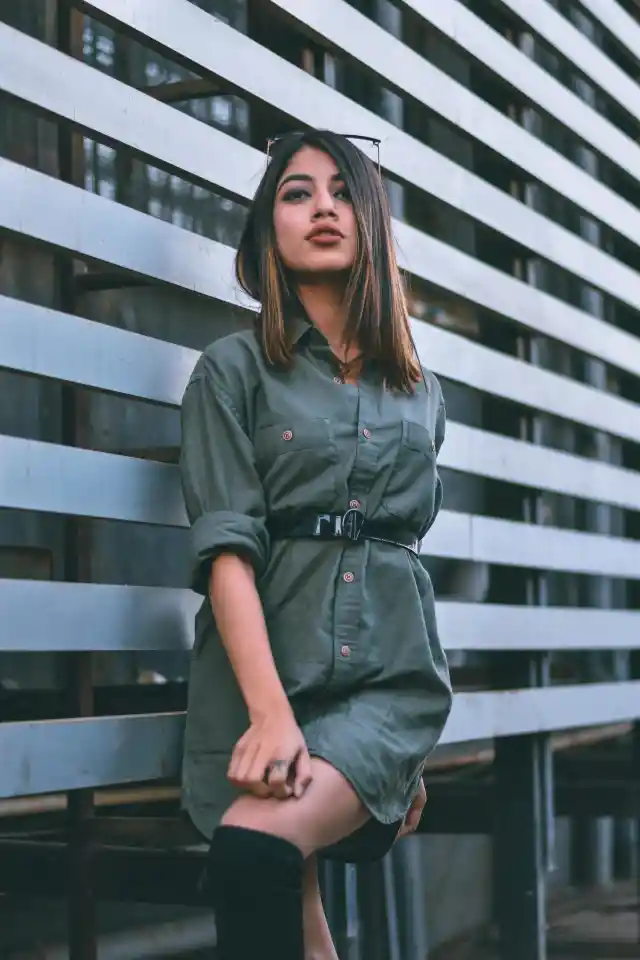
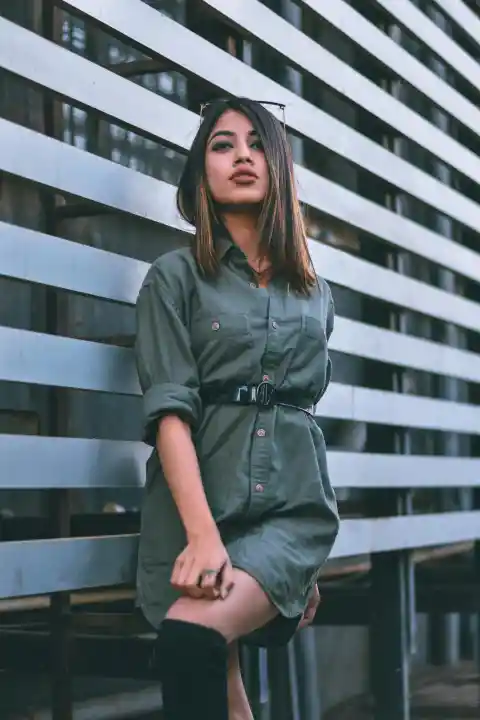
Belts don’t only live at the waist; they can be inventive little tools for shaping an outfit. They can be draped over coats to create instant structure, looped through dress slits to add a tailored edge, or worn low on the hips for a relaxed, lived‑in vibe. Experimenting with placement reveals surprising effects: a belt across a blazer can create a flattering silhouette, while a double‑looped strap adds casual texture and a sense of ease. Layering thin belts over wide, leather over fabric creates visual interest and the impression of deliberate styling rather than accidental dressing. Belts can hold a coat closed on a windy day, cinch a bulky sweater into something flattering, or keep a dress from billowing. The fact that it's got multiple uses is part of the charm, turning a simple strap into a tiny styling toolkit.
Belts as Memory Keepers
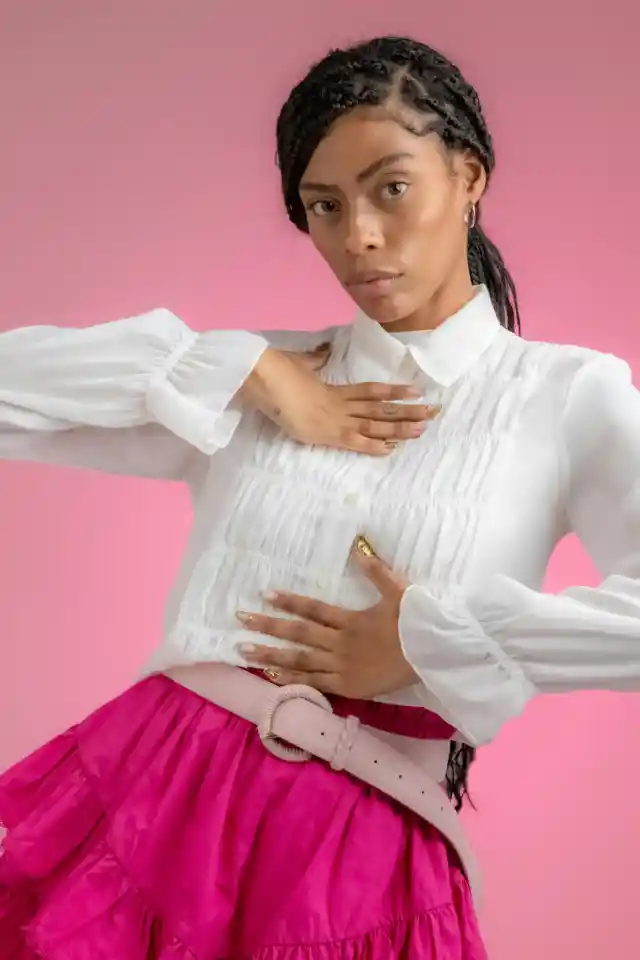
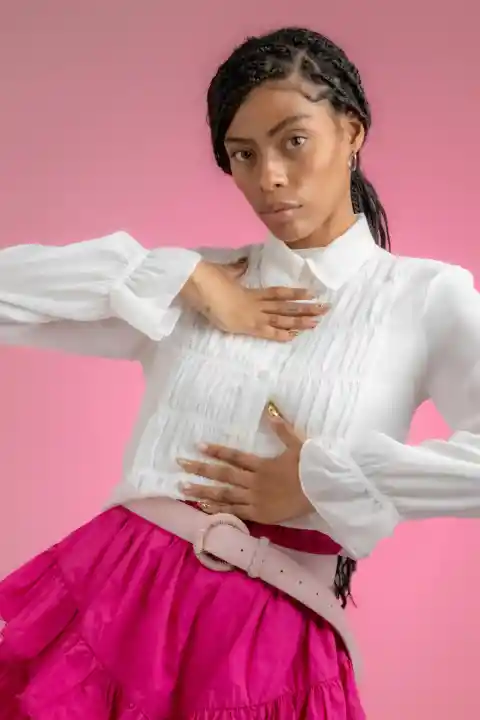
Some belts come with stories stitched into their edges. A worn leather strap might have been a travel companion, softening with each trip and carrying faint traces of the sun and the road. A thrifted buckle can hold the faint scent of another life, a small echo of someone else’s mornings and errands. Accessories accumulate memory like rings in a tree trunk; the softened edges, the tiny scuffs, the patina that develops over time all speak of use and history. Wearing a belt that has history feels different from slipping on something brand new; it carries a quiet confidence and a sense of continuity. Choosing to wear these pieces is a small act of storytelling, a way to carry fragments of past days into the present and let them quietly shape how an outfit and a day unfold.