Every baker eventually faces the same tiny crisis: you reach for the all‑purpose flour, expecting a full container, and instead you’re greeted by a sad dusting at the bottom of the bin. It’s the kind of moment that makes you freeze, stare, and wonder how you miscalculated so badly. But if you don’t panic, something interesting happens. You start digging through the pantry, pushing aside half‑used bags and forgotten snacks, until you find the “backup” flours, the ones you bought with good intentions but never actually used. Almond flour, oat flour, coconut flour, Rice flour, and so forth. They sit there like a group of characters in a story you haven’t read yet. A lot of home bakers treat these flours like mysterious strangers, assuming they require complicated science or special training. But the truth is much simpler: each one has its own personality, and once you learn how it behaves, baking with alternative flours becomes less of a challenge and more of an adventure. This guide walks you through them one by one, helping you understand what they do and how to use them without fear.
Almond Flour: The Soft Spoken Game Changer


Almond flour is the kind of ingredient that doesn’t shout for attention but still manages to transform everything it touches. The moment you scoop it into a bowl, you notice how different it feels; it's softer, almost fluffy, like it wants to float away. What makes almond flour special is how it reacts with eggs and butter. Those ingredients love each other already, but almond flour brings out their best qualities. It creates batters that feel thick and cozy, the kind you want to stir slowly just to enjoy the texture. And while it doesn’t behave exactly like all‑purpose flour, that’s part of the fun. It teaches you to trust your senses instead of relying on strict rules. If the dough looks a little softer than usual, that’s okay. If it feels stickier, don’t panic. Almond flour rewards patience and curiosity. And when you pull a tray of golden, tender treats from the oven, you’ll understand why so many bakers fall in love with it.
Oat Flour: The Friendly Neighbour
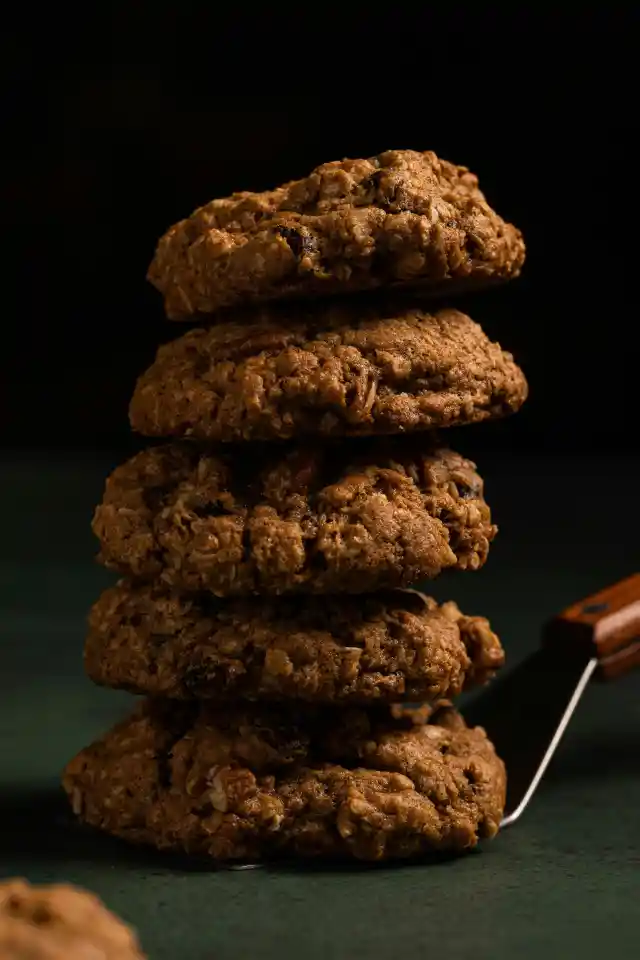
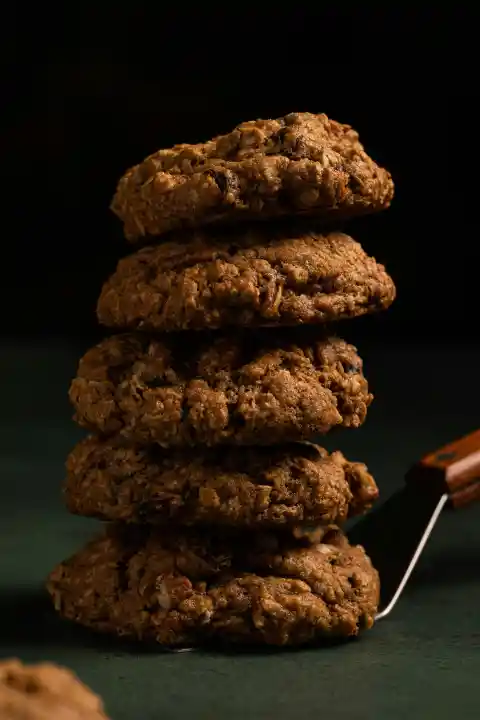
Oat flour has a personality that feels warm and familiar, like someone who always shows up with a smile and a good story. It blends into recipes with ease, giving muffins a soft crumble and pancakes a comforting, weekend‑morning vibe. One of the best things about oat flour is how forgiving it is. If you measure a little too generously or stir a little too long, it usually doesn’t complain. It absorbs liquid slowly, thickening the batter in a calm, predictable way. Oat flour encourages creativity. You might find yourself adding cinnamon or nutmeg just because the smell feels right. You might toss in blueberries or chocolate chips without overthinking it. And by the time the oven warms the kitchen, the batter has already settled into something that promises comfort in every bite.
Coconut Flour


The moment you open the bag of coconut flour, it releases a tropical scent that fills the room like it’s auditioning for a beach commercial. And like any dramatic personality, it comes with quirks.
The biggest thing to know is that coconut flour absorbs liquid like it’s trying to win a contest. A little goes a very long way. If you use too much, your batter will thicken so fast you’ll think it’s alive. But once you understand its habits, coconut flour becomes surprisingly fun to work with. It creates soft, cake‑like textures and adds a gentle sweetness that feels sunny without being overwhelming. It needs extra moisture, so recipes often call for more eggs or milk. Once you adjust to its needs, everything starts to make sense.
Rice Flour: The Quiet Overachiever
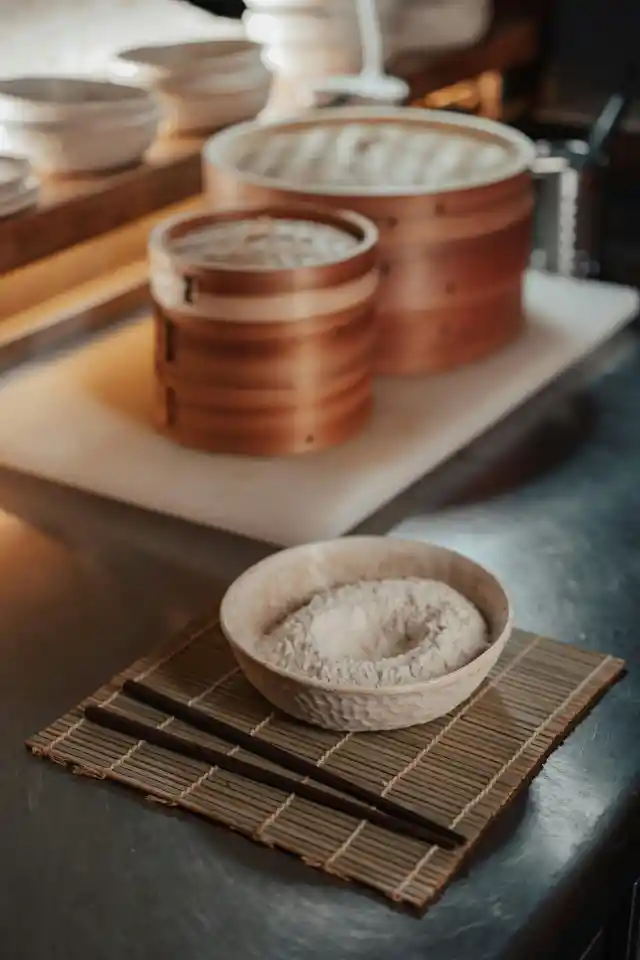
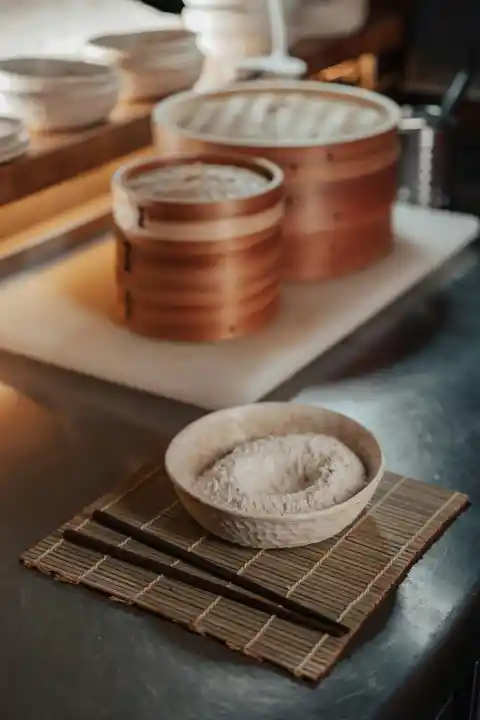
Rice flour doesn’t get the spotlight very often, but it deserves more appreciation. It slips into recipes smoothly, adding a crispness that makes cookies snap in the most satisfying way. It also helps balance gooey batters, giving brownies structure without making them heavy. What makes rice flour so dependable is its predictability. It doesn’t clump or act moody, it just does its job with steady confidence. Rice flour is especially helpful when you want something light but sturdy.
Buckwheat Flour: The Moody Artist With Soul


Buckwheat flour doesn’t try to blend in. It has a deep color and an earthy flavor that makes baked goods feel rustic and soulful. When you pour it into a bowl, its cool gray tone instantly makes the recipe feel more interesting. It adds richness to pancakes, giving them a hearty weight that feels comforting on cold mornings. It makes quick breads taste like something you’d find in a countryside bakery. And while its flavor is bold, it balances beautifully with sweet or fruity ingredients. Working with buckwheat flour feels like collaborating with an artist, the kind one that has strong opinions but ultimately wants the final creation to shine.
Teff Flour: The Tiny Grain With a Big Voice


Teff flour may come from tiny grains, but it brings a surprisingly rich flavor. When you open the bag, you’ll notice a warm, almost cocoa‑like aroma that feels cozy and inviting. Its texture is soft and earthy, promising depth before you even start mixing. Teff works beautifully in brownies, adding a subtle richness that makes chocolate taste deeper. It also gives breads a hearty feel without making them dense. This flour pairs well with spices, nuts, and anything that appreciates a little warmth. It’s the kind of ingredient that makes you want to keep experimenting.