There’s a fine line between minimalist and moved out. The former whispers calm sophistication, whilst the latter screams I ran out of money halfway through decorating. But somewhere between those two extremes lives the sweet spot, that peaceful, gallery-like vibe that feels expensive even if it isn’t. This, dear reader, is your unofficial guide to achieving museum-quality simplicity without turning your living room into an Ikea showroom or a monk’s cell.
The Gospel of Empty Space
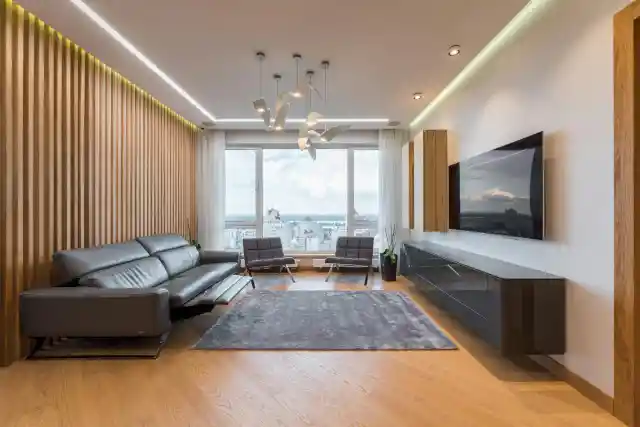
Minimalism starts with subtraction. Not in a spiritual sort of way, just… stop filling every inch of space with something. That corner doesn’t need a plant, a lamp, and a decorative ladder that holds nothing but existential confusion. Sometimes, it needs air. Great minimalist rooms have rhythm, a little object, a pause, another little object, and a pause again. It’s like jazz, but quieter. You start to notice how satisfying it feels when your eyes can rest on something uncluttered. You start to hear your own thoughts again, and you might even like them. What follows is the hardest part: sitting with emptiness and not immediately trying to fill it. Most people can’t handle it. They reach for a candle, a basket, anything to fill the emptiness. But minimalists lean in and let the space breathe, like a long exhale after years of hoarding Hobby Lobby regrets.
Keeping Color on A Leash
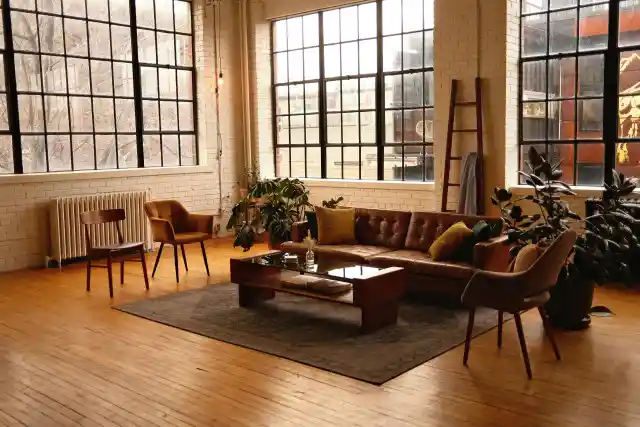
In a minimalist home, color isn’t gone; it’s just been told to simmer down a bit. Museum simplicity resides in tones that whisper rather than shout. Think creamy whites, foggy grays, and those delicate beiges that have at least three unpronounceable French names. A restrained palette doesn’t mean sterile. It just means every hue earns its right to exist in this space. If you absolutely must add color, then make it deliberate. A single moss-green throw on a pale sofa. A rust-colored vase on a marble shelf. One color pop is chic; two is chaos. Minimalists know when to stop before things start looking like a Dulux paint sample deck exploded in the hallway.
Decluttering: Because Your House Needs To Breathe
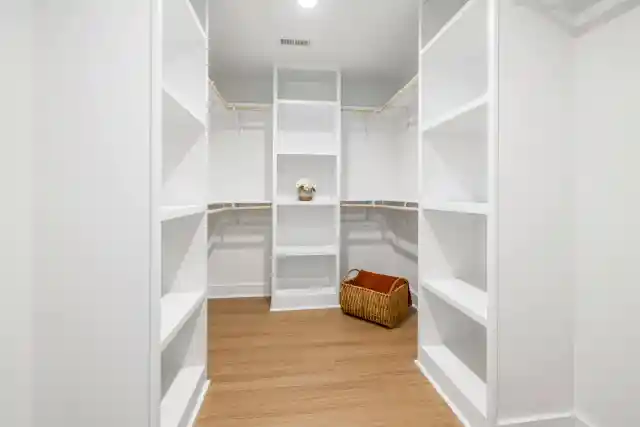
There’s a silent war happening in every home between what we own and what we need. Spoiler: our stuff is winning. Minimalists are ruthless editors of their own environments. They ask tough questions: Do I love this? Do I use it? Does it serve a purpose other than collecting dust and emotional baggage? If the answer’s “meh”, it goes. Decluttering is a form of liberation. Here’s the secret no influencer admits: real decluttering feels a little violent at first. Your inner hoarder will scream, but once you push through, your home starts to breathe again like it’s been released from a clutter-induced coma. And then, suddenly, so do you.
Furniture: Fewer, Better, Sexier
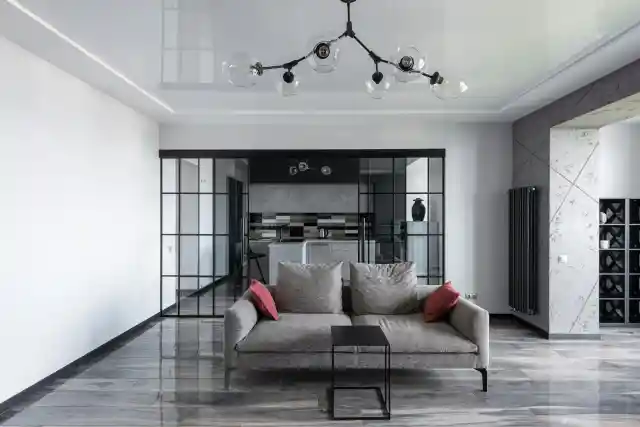
Minimalism doesn’t mean empty rooms; it just means thoughtful ones. Every piece of furniture should feel intentional, like it’s auditioning for a role and got the part on merit. You need to skip the oversized sectional that looks like it could swallow a family of four and go for pieces that reveal a bit of leg. Lighter frames and open bases make rooms feel airier. Go for chairs that float rather than squat. When in doubt, go for craftsmanship over quantity. One gorgeous, solid table beats a collection of wobbly temporary solutions. Your home should look like you picked things because you love them, not because they were on page three of an algorithm’s recommended list for you.
Lighting: Drama Without the Diva
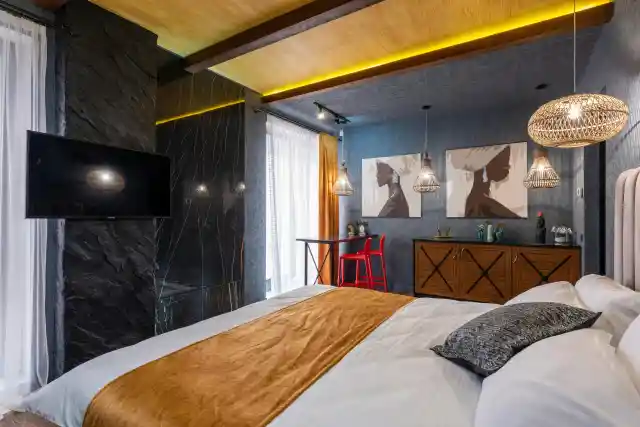
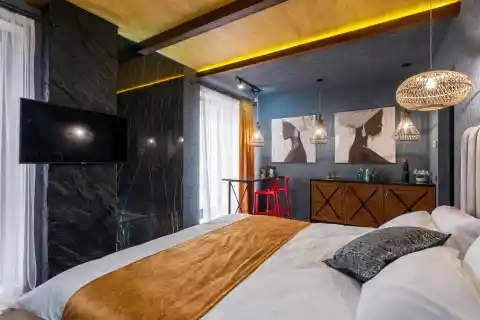
Good lighting is like good makeup; it's subtle enough that you don’t notice it’s doing all the work. Minimalist spaces thrive on soft, layered light that flatters without overwhelming. Overhead lights are usually too harsh. Switch them off and let lamps do the heavy lifting. Gentle glows make your space feel like it's forever stuck in a golden hour. A wall sconce that casts a low wash of light can transform a blank corner into something sculptural. Candles work too, though they come with their own personality test. If yours smell like cashmere vanilla dreams, you’re probably fine. If they smell like a bamboo rainforest latte, maybe slow down. The point is to create quiet drama.
The Scent and Sound of Calm
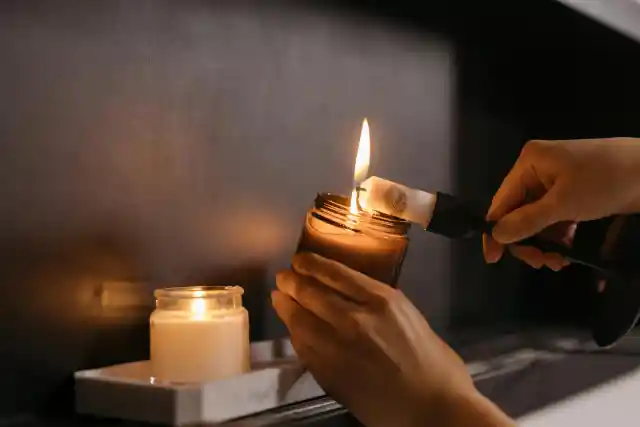

Nobody talks enough about how minimalism sounds and smells. Real museum-level simplicity is a full-body experience, not just what you see. Sound comes first; minimalism loves quiet, but not silence. The hum of a distant record player, the soft creak of wood, the faint whoosh when a curtain moves. These all create some atmosphere instead of a void. And scent, you can’t achieve calm if your home smells like yesterday’s takeout or a department-store perfume counter. You need to aim for gentle notes like clean linen, wood smoke, and maybe citrus. All of this is the sensory equivalent of soft lighting. When sight, sound, and scent align, your home becomes more than tidy. It becomes peaceful.
The Personality Paradox
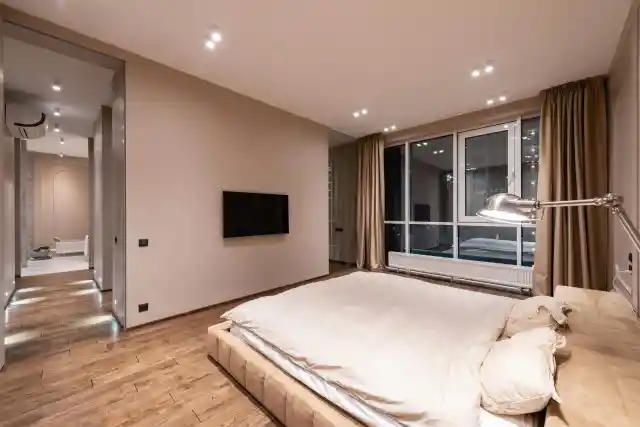
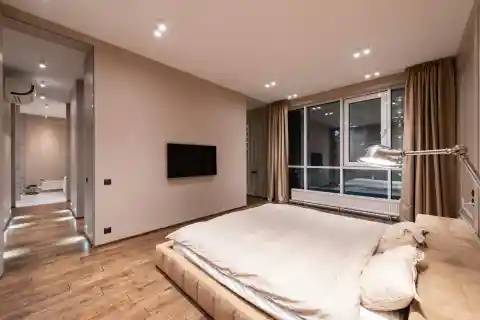
People say minimalism kills personality. Well, that's actually false. Bad minimalism kills personality, and good minimalism is where personality finally gets room to breathe. When you strip away clutter, what’s left is you. The books you actually read, the art you actually love, the objects that hold real stories instead of just… existing. Minimalism isn’t about pretending to live in a magazine spread. It’s about curating your space so it reflects who you are, minus the noise, of course. You’re not removing personality; you’re spotlighting it like dusting off an artifact and realizing, oh, that was beautiful all along.