Some fashion waves crash in with cymbals and spotlights, demanding attention before anyone’s ready. Others slip in quietly, like a guest who somehow knows the back door code. Gender‑fluid style didn’t bother sneaking or stomping. It simply arrived one day, dressed in trousers that looked too good to ignore. The idea isn’t brand-new, but the energy feels different, like someone finally opened a window in a stuffy closet. People are tired of clothes that behave like paperwork, forcing them into boxes they never asked for. They want fabrics that bend, shapes that listen, and outfits that match moods, instead of categories. This guide takes a walk through tailoring that shrugs off labels, exploring pieces that meet bodies with kindness instead of rules.
Fabric That Doesn’t Ask Questions


The story often begins with touch, not theory. Run your hand across a blazer that feels soft enough to nap in but sharp enough to pass a grown‑up test, and you’ll understand. Gender‑fluid tailoring leans into fabrics that don’t pick sides. They drape differently depending on who wears them, shifting like how water finds its own path. Smooth wool that settles like a friendly cloud or crisp cotton are great choices. The magic happens when fabric lands on the shoulders, claiming space without caring about labels. Even the lining matters, sometimes silky, sometimes playful like a secret luxury no one else sees.
The Great Liberation of the Unstructured Blazer
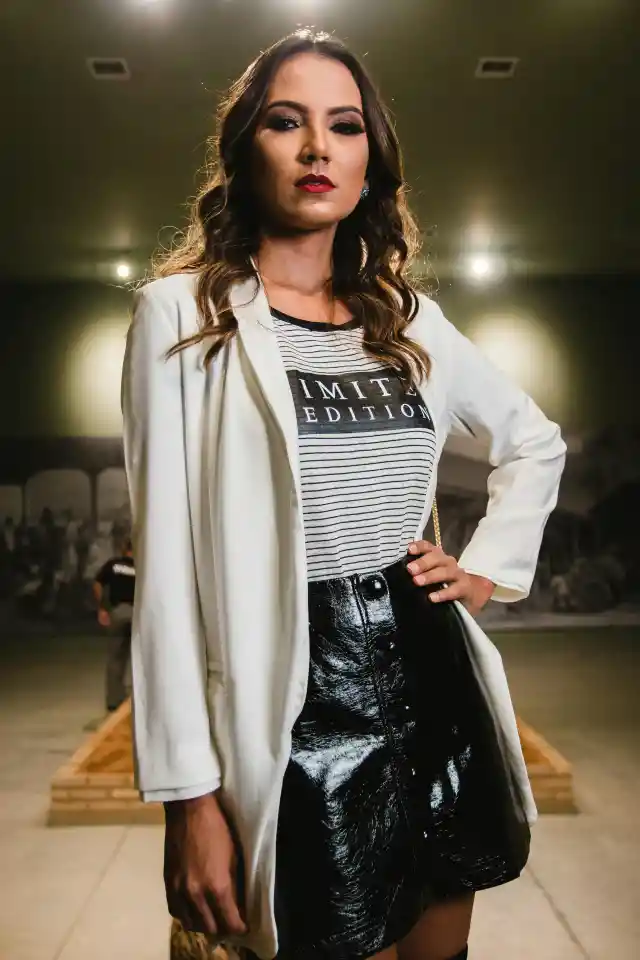
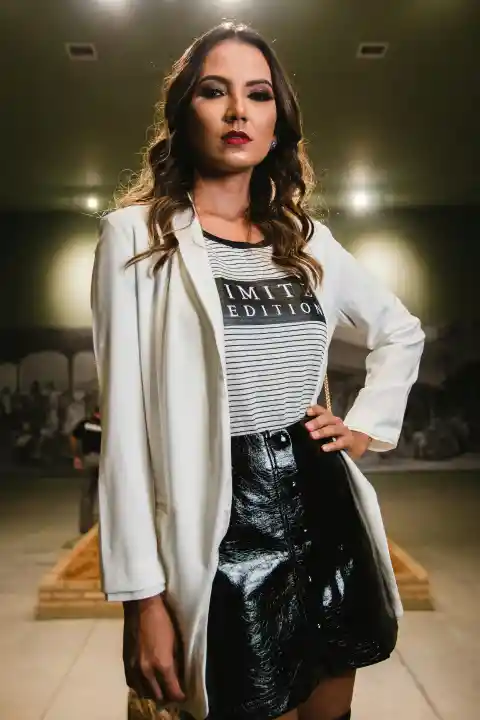
Every closet hides a strict jacket, the kind that piles on rules: stand tall, don’t slouch, breathe carefully. Gender‑fluid tailoring offers the unstructured blazer, which feels more relaxed and inviting. The shoulders are softer, the cut looser, and the blazer seems to understand what feels comfortable. It flatters without restricting, moving easily with the body. Some throw it over a T‑shirt, others wear it with a flowing shirt; either way, the blazer stays adaptable. Pockets are actually practical, big enough for real use, instead of being only decorative.
Trousers That Refuse to Choose Sides

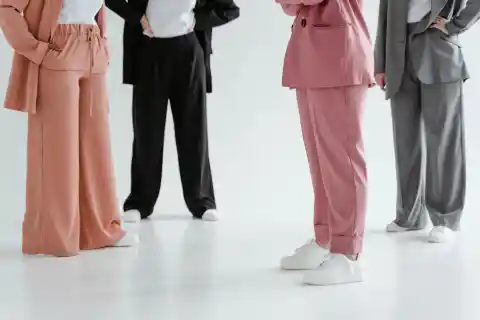
Traditional trousers often split into two camps: stiff and structured, or floppy weekend wear. Gender‑fluid pants, on the other hand, skip the interview entirely and show up as their best selves. They hang differently on everyone, offering room without losing shape. Waistlines hint at flexibility. They have elastic here and are adjustable there, like they understand life comes in all shapes and sizes. Cuts usually land in that sweet spot between tailored and relaxed, the kind that makes strangers glance twice, unsure if the wearer is dressed up or dressed down. Walking in these pants feels liberating, the fabric brushing against the legs with casual confidence.
Shirts That Play Nice with Every Shape


Button‑downs have a reputation for acting like straightjackets. Gender‑fluid shirts rewrite the script. They behave like they rolled out of bed with perfect timing and better hair. The cut falls where it should, not where outdated manuals insist. The fabric skims instead of clinging, leaving room for dramatic gestures, stretches, or spontaneous dancing while waiting for the toast to pop. Some versions lean body yet polished, others flow like a breeze over shoulders. They work tucked, half‑tucked, untucked, tied, layered, or worn open. Even collars behave better, landing softly instead of acting like cardboard fences.
Coats That Carry Attitude, Not Expectations
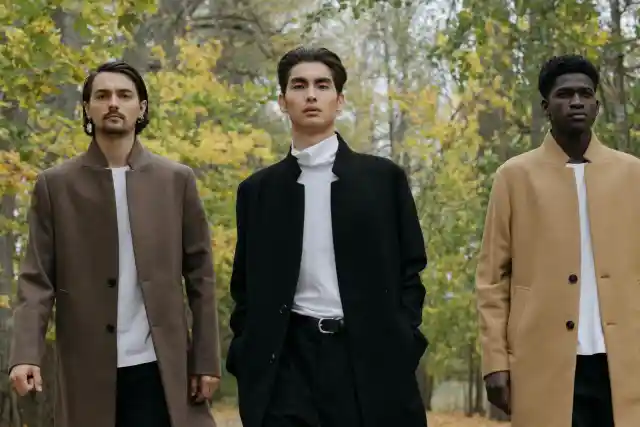
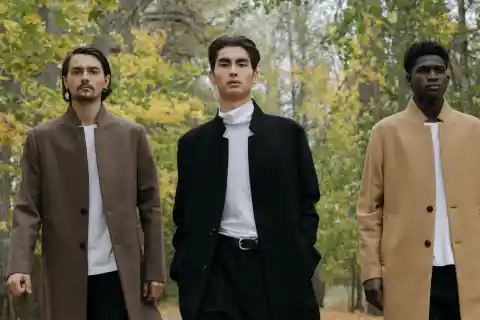
Outerwear often sticks to familiar categories, holding on tightly like a toddler with a favorite blanket. Gender‑fluid coats arrive with more openness, unconstrained by expectation. Cuts are long and sweeping, dramatic enough to feel like you’re the star of your own music video. Fabrics range from plush and cozy to sleek and shiny, but all defy tradition. These coats frame the body softly, creating shape without confining it, letting the shoulders relax and movement flow naturally. As for colors, they avoid clichés, offering soft neutrals, bold tones, or subtle prints that add personality in an understated way. Slip one on, and you’re enveloped in warmth and comfort. Many find themselves walking taller in these coats, not due to structure but because it feels freeing to wear something that makes no judgments.
Accessories That Laugh at the Old Rules
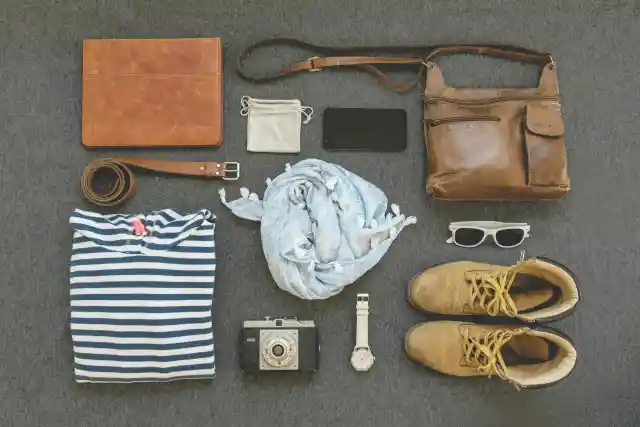
Accessories have always been mischievous, but in gender‑fluid styling, they reach peak rebellion. Scarves tend to swirl with no allegiance, moving however they please. Bags lean into practical space while still pulling off understated flair. Jewelry tends to sparkle for anyone who wants sparkle. Choosing pieces becomes all about mood. Bold rings are for days when the world needs glitter, quiet leather crossbodies are for afternoons of wandering. None of these items announces ownership; they simply add charm or utility. It’s freeing to accessorize without expectation hovering over the decision. Each piece gives permission to follow delight instead of categories and gender roles.
Tailoring That Builds Confidence Instead of Boxes
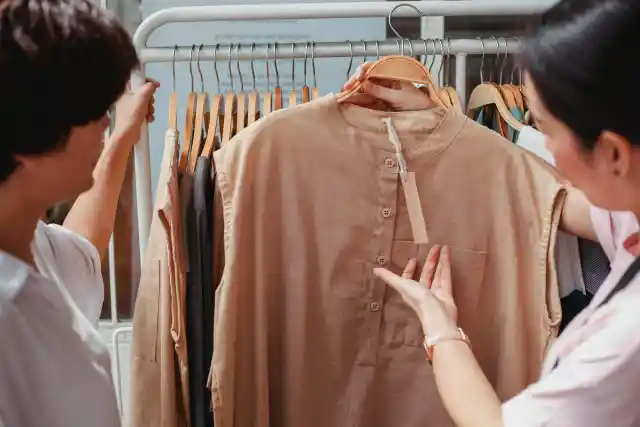
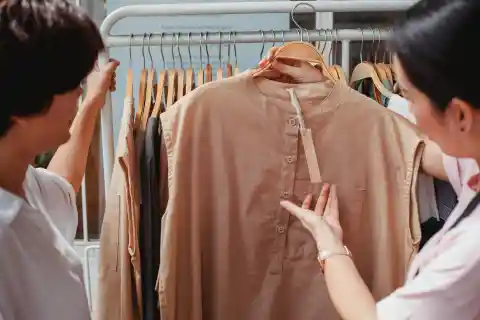
The biggest surprise in gender‑fluid tailoring is rather emotional. These clothes don’t just dress bodies, they seem to understand them. There’s no silent pressure to pull off a look or fit a mold. Instead, the clothes adapt, moving with the wearer in ways that feel affirming. Because of this, confidence blooms not from rigid structure but from ease, comfort, and the thrill of expressing something true. Tailoring freed from gender rules becomes a tool of self‑discovery. Some experiment with proportions they never considered, like long coats over shorts or flowing pants with sharp boots. Others finally feel at home in clothing that doesn’t shout assumptions the moment they enter a room. The blend of comfort and expression has a knack for creating a spark that lingers long after the outfit hits the laundry basket.