Some people find calm by meditating... others, they unwind by alphabetizing their spice rack. Then there are the ones who find peace in putting a few flowers in a jar and calling it art. Flowers are sneaky like that; they have this quiet magic that makes any space feel a little more intentional. One small bundle can transform an ordinary Tuesday into something that feels like a soft-focus page from a lifestyle magazine. Suddenly, your cluttered table looks less like chaos and more like character. To pull this off, you don’t need to be a florist or blow your budget at the market. Beautiful arrangements are about personality and gut instinct, the voice in your head that says, yeah, that looks right. You’re not chasing flawlessness; you’re letting your flowers tell their own little story.
Balance
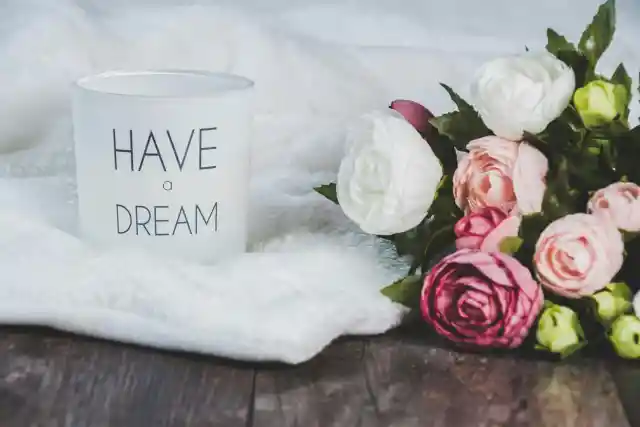
Let’s start with balance, since that’s where most people spiral. A bouquet doesn’t need to be perfectly even. In fact, the prettiest ones usually lean a little off-center. The goal is steadiness, not symmetry. Think of your flowers as a mini ecosystem. The big, weighty hydrangeas, peonies, and dahlias are your anchors. Lighter stems, like cosmos or daisies, fill in the gaps and bring movement. You want the whole thing to feel stable, like it could handle a light breeze without tipping over. And don’t forget about the vase. It’s not just a container, it’s part of the conversation. A tiny jam jar under a massive sunflower looks like a cartoon, whilst a tall ceramic vase can swallow up delicate stems. When the vase and flowers actually “understand” each other, that’s when harmony happens.
Proportion
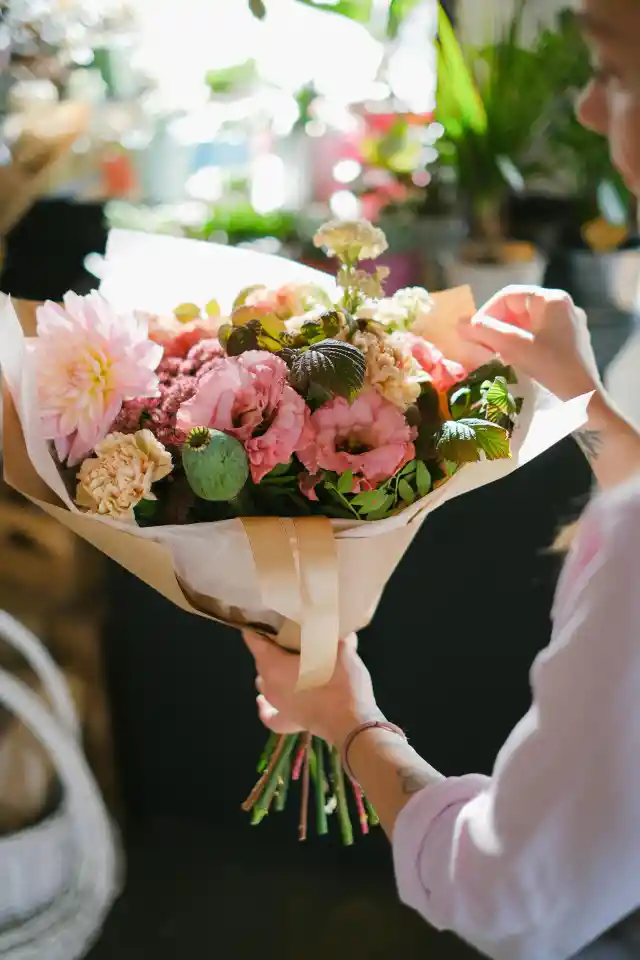
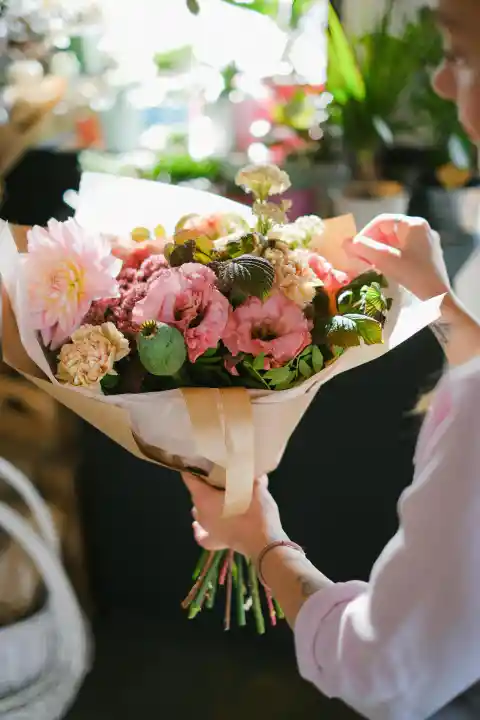
Proportion might sound dull, but it’s what makes your flowers stand out. It’s not about rules so much as about what feels balanced in your space. A good rule of thumb is to make your flowers about one and a half times the height of your vase, but your eyes usually know best. Step back, squint, and trust your gut. Also, think about visual weight. A handful of bold, dense blooms can feel heavy, so mix in lighter, airier pieces like ferns, grasses, and baby’s breath. That breathing room gives your bouquet rhythm, like commas in a sentence. Without it, the whole thing just blurs together.
Getting the Flowers to Play Nice
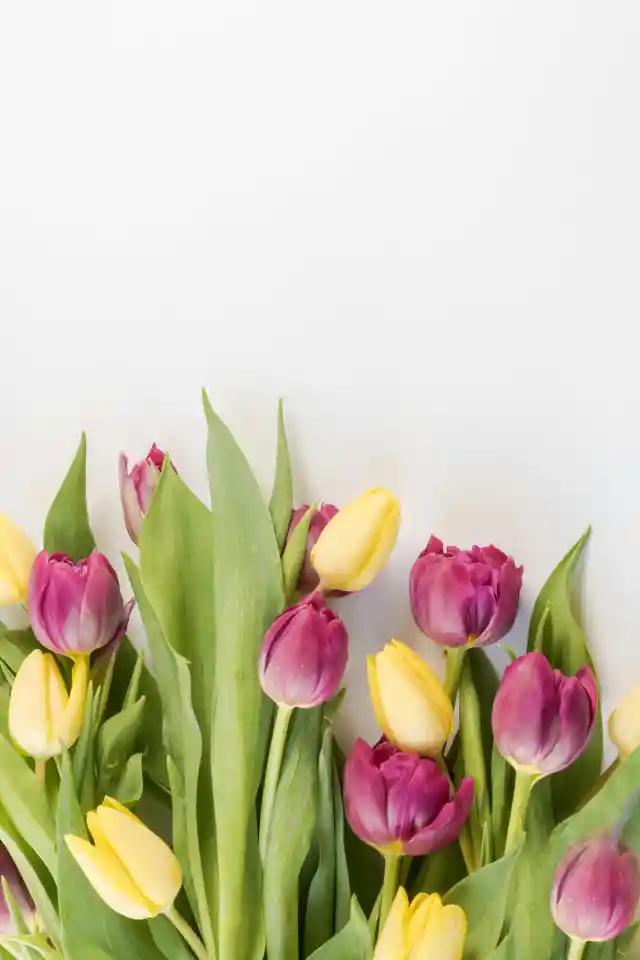
Harmony is what makes an arrangement feel like everything belongs. It’s not about matching perfectly, actually, perfect matching is kind of boring. Harmony happens when variety still makes sense. Pair something soft and classic, like roses, with something wilder, like eucalyptus or tall grass. Try a tulip next to a thistle or mix fuzzy with smooth, dark with light. Then there’s color. You can keep it calm and tonal with pinks, peaches, creams, or go loud and bold with opposites like purple and yellow. The key is how it feels. If it sparks emotion, even just “that looks cheerful," you’ve got it right.
Rhythm
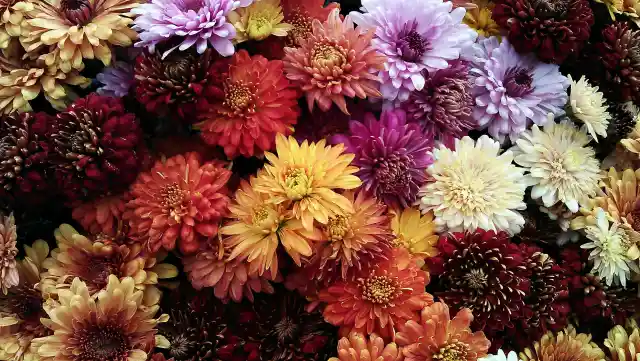
Rhythm gives your arrangement life. Without it, it just sits there looking like it’s waiting for instructions. With rhythm, your eye moves from flower to flower, like a slow dance. You build rhythm through height and shape. Let some stems reach, others lean. Don’t force every flower to face front because nature never does that. Think of your bouquet as a group of dancers: a few in the spotlight, others in the wings, but everyone being part of the story. A few trailing vines or bending branches that spill over the edge bring motion. That’s what makes it feel alive, rather than posed.
Contrast
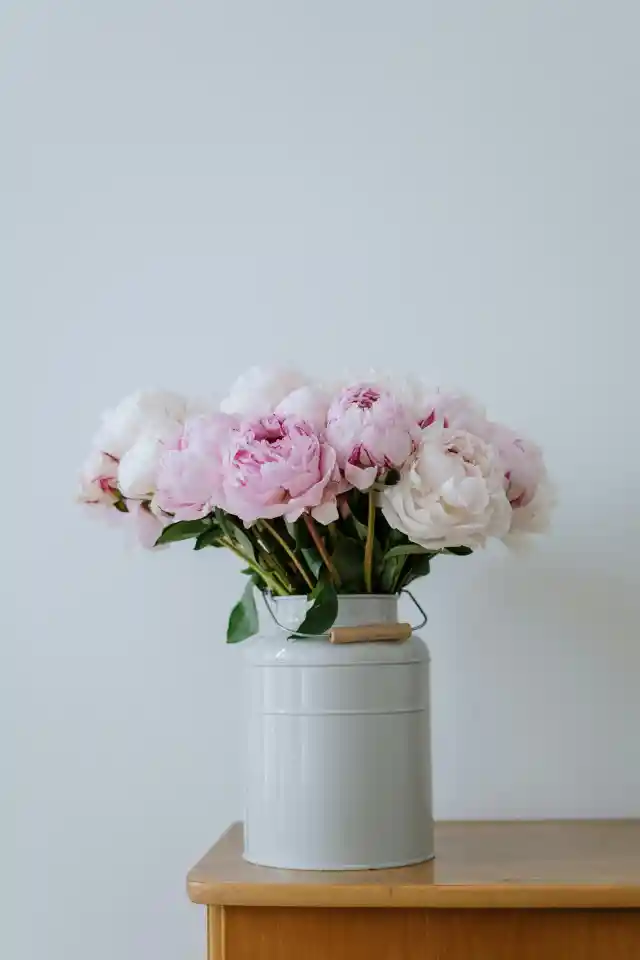
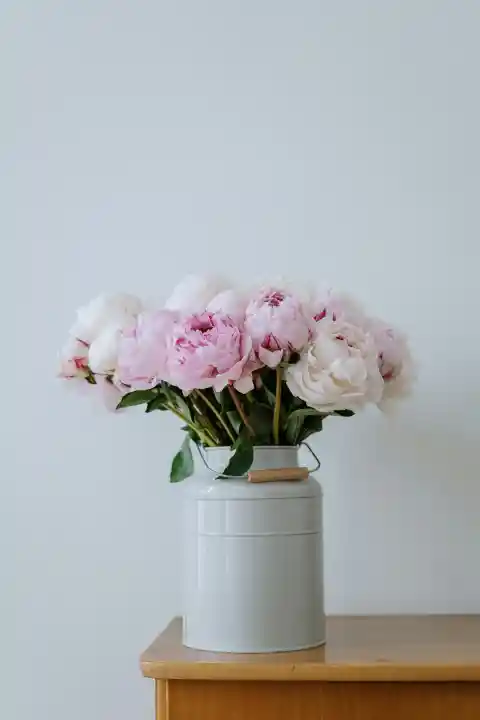
Every gorgeous thing needs tension. Contrast keeps your bouquet from turning flat, so don't forget to play with color, a dark burgundy rose beside creamy ivory or texture, like spiky next to soft. Even your vase can add contrast. A sleek glass vase with wild stems or a rough clay pot with perfectly shaped tulips. That unexpected combo makes people look twice. Don’t fear the oddball stem that sticks out; it’s usually the one giving the whole thing personality.
Space
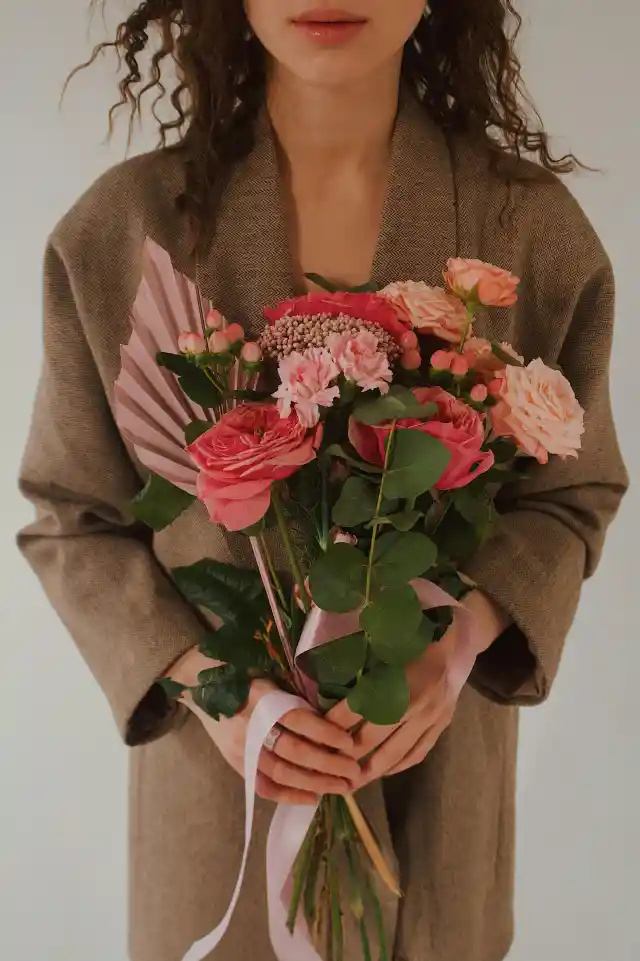
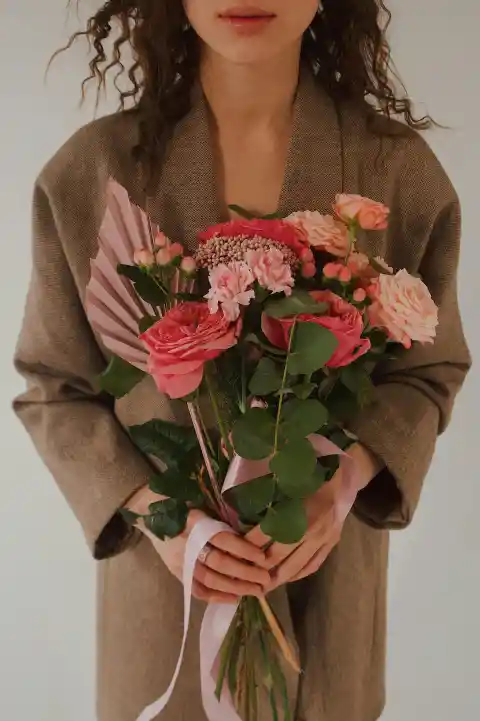
Here’s something beginners forget: space is important. Not just the flowers you add, but the space you leave. Air pockets are magic; they let each flower breathe and shine on its own. Fight the urge to cram in every stem. Give them room because those open spots let light filter through and show off each flower’s natural shape. And zoom out for a second: where’s your bouquet sitting? A vase surrounded by clutter loses its power. Clear a small spot, be it a desk corner or a clean windowsill, and let it stand solo. That pocket of space makes the whole thing feel intentional.
Every Arrangement Needs a Star
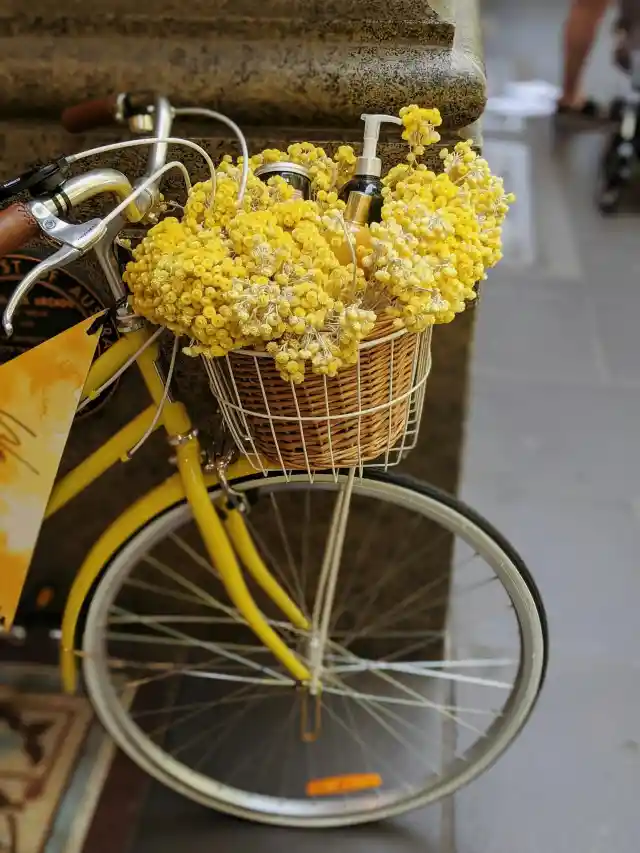
Every story has a main character, and so does every bouquet. Your focal flower is the one your eyes land on first. It’s not always the biggest, just the one with presence. Maybe that coral peony that opened perfectly, or a sunflower turning toward the light. Everything else should gently lead the eye toward that star bloom. The other stems aren’t competing; they’re backing vocals. They make the soloist shine. Without one, it’s just a bunch of flowers hanging out with no plan.
Bringing It All Together
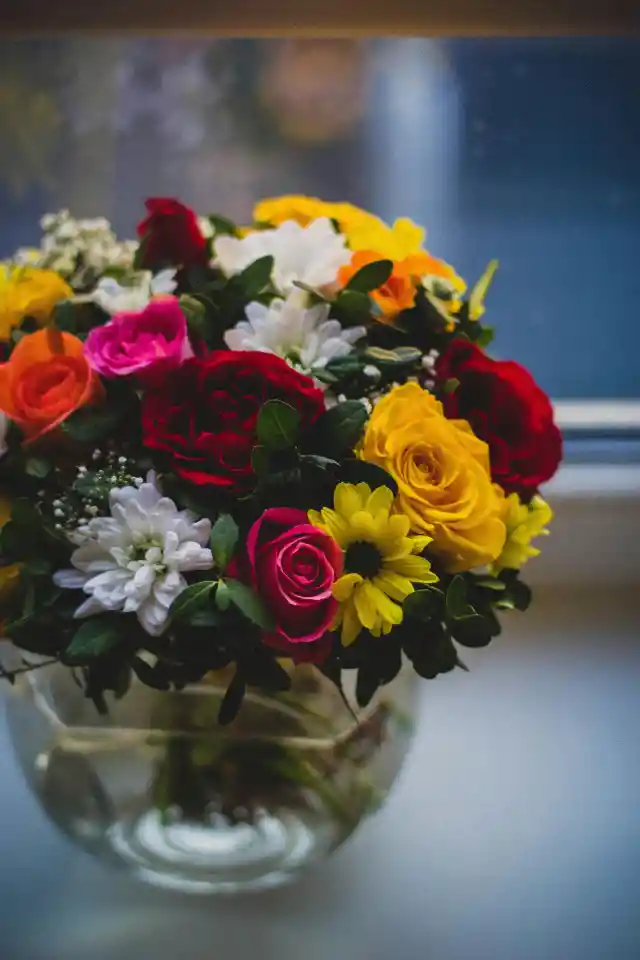
When all the pieces line up, you get that quiet magic moment. A great bouquet feels like it’s breathing with the room. The funny thing about arranging flowers is that it teaches you a lot about life. Some days, you crave order. Other days, you want to be wild and unpredictable. Every stem you place is a small decision. Every space says something, and every time you pass your flowers and notice a flash of color, it’s a reminder that beauty doesn’t have to be perfect, it just has to feel like you.