You know that feeling when something in your house breaks and your first thought is, “Well, guess I’m not touching that.” Maybe it’s a light that flickers like it’s haunted, or an outlet that sizzles when you plug in your phone. It’s easy to panic, after all, electricity sounds scary. Sparks fly, and nobody wants to end up with their eyebrows singed off. But here’s the truth: not every electrical problem needs a pro in a jumpsuit. Some fixes are simple. Like, surprisingly simple. You don’t need to be an engineer or wear a tool belt. You just need to know what to look for, how to stay safe, and when to flip a switch before poking around. This guide isn’t about rewiring your whole house or doing anything wild. It’s about the small stuff—the everyday repairs that make your home feel less like a mystery and more like something you can handle. So grab a flashlight, take a deep breath, and let’s dive into eight beginner-friendly electrical fixes that’ll make you feel like a total boss.
Breaker Box Basics: Your Home’s Power Brain

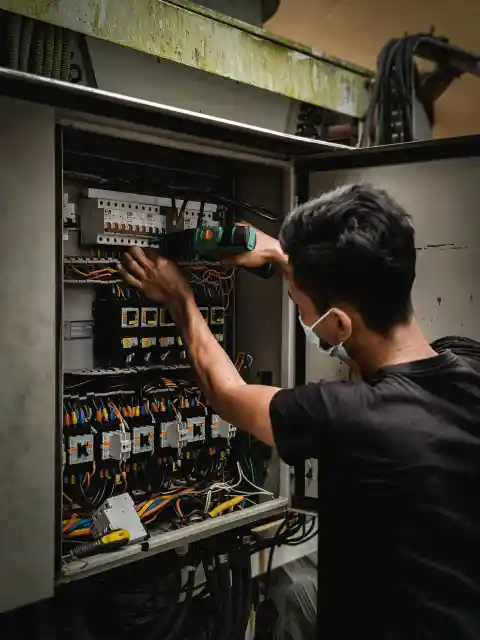
Somewhere in your house, probably in a hallway or basement, there’s a metal box with switches inside. That’s your breaker box. When too many electrical gadgets are plugged in, like your hairdryer and space heater teaming up, the breaker “trips.” That means it shuts off power to stop overheating. You’ll know it happens when stuff suddenly stops working. To fix it, open the box and look for a switch that’s not fully on or off. Flip it all the way off, then back on. Boom, the power’s back. Pro tip: Label your breakers; that way, next time you won’t accidentally turn off the fridge when you meant to fix the bathroom light.
Dead Outlet Drama: When Charging Stops


You plug in your phone and nothing happens. In that moment, panic sets in. But don’t freak out, this is usually an easy fix. First, try plugging in something else. If that works, then your charger’s the problem. If not, look for a nearby outlet with buttons labeled test and reset. That’s a GFCI outlet. Press reset, and you might hear a click. That’s good. If nothing changes and there’s no power, go back to your breaker box and check for a tripped switch, flip it off and on again. If your power outlet wakes up, congrats, you just solved the mystery.
Flickering Lights: Not a Ghost, Just a Loose Bulb


Lights that blink or buzz can feel spooky, but they’re usually just being dramatic. Turn off the switch first, always. Then check the bulb, is it loose? If yes, tighten it gently. If it’s already tight, try a new bulb, coz sometimes they just give up. If it's still flickering, look at the socket. Dust or rust can mess things up. Wipe it with a dry cloth, never a wet one because electricity and water are not friends. Once it’s clean and the bulb’s in right, flip the switch. If the light stays steady, you’ve won.
The Silent Switch: When Nothing Happens


That moment you flip a switch and nothing turns on feels like sending a text and getting no reply. First, check the bulb, then check the breaker box. If those are fine, the switch itself might be broken. Turn off the power at the breaker and double-check with a lamp or tester. Then unscrew the switch plate and gently pull out the switch. You’ll see wires, take a photo so you remember where they go. Swap in a new switch, connect the wires the same way you found them, screw it back, and turn the power on. If the light works, you just fixed it, so you get a high five.
Ceiling Light Upgrade: Because You Deserve Better


Old ceiling lights can be ugly. Maybe yours even looks like it belongs in a dentist’s office. It's time for a glow-up. Start by turning off the power at the breaker. Next, unscrew the old fixture and hold it with one hand while you disconnect the wires. You’ll see black, white, and maybe a copper one. That’s the ground wire. Follow the new fixture’s instructions. Match black to black, white to white, and copper to the grounding screw. Twist on wire nuts, tuck the wires in, and screw everything in place. Next, turn the power back on and flip the switch. If it lights up, you nailed it.
Smoke Detectors: Loud, Annoying, But Super Important


It’s 2 a.m., you’re asleep, then beep, beep! It's your smoke detector wanting some attention. That sound means the battery’s low, so don’t ignore it because these little devices save lives. Pop off the cover and swap the battery. Most use a 9-volt battery. While you’re up there, dust it off; detectors hate dust. Press the test button. If it screams, that means it’s working. Set a reminder to change batteries once a year, maybe every spring. That way, you won’t get surprise beeps in the middle of the night.
Dimmer Switch Fix