If you’ve ever stared at a wall of spice jars in the grocery store, wondering where to even start, don’t worry, you’re not alone. You don’t need thirty different powders from three continents to make food taste good. You just need a few reliable ones that work with almost anything. Spices aren’t about being fancy, they’re about making food smell good, taste balanced, and feel like it came from someone who knows what they’re doing, even if you’re still figuring it out. Here are eight easy, go-to spices that will take your food from plain to actually delicious, without stressing you out.
Black Pepper: The Simple Game-Changer
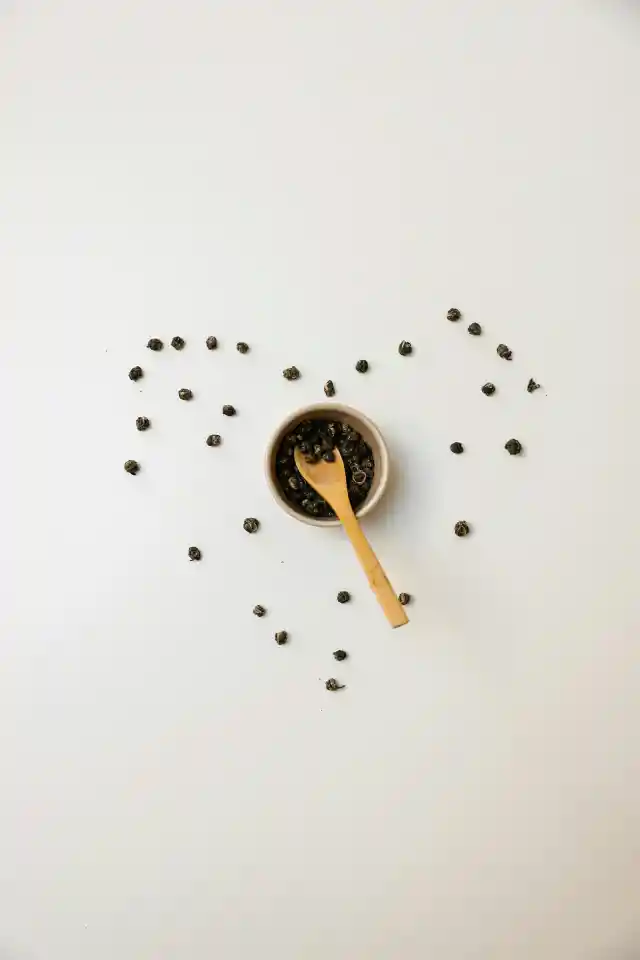
Black pepper is the spice most people already have but don’t use enough. It’s not flashy, but it makes almost everything taste sharper and more interesting. Freshly ground pepper adds just the right bite to eggs, pasta, soups, and even those dreaded roasted veggies. The pre-ground stuff that’s been sitting in your cabinet for two years is mostly flavorless dust. A small pepper grinder makes all the difference. You don’t need to dump it in; just a light twist or two is enough. Pepper is a seasoning that gives your food a little edge without taking it over. It’s also an easy way to learn how to balance flavor, because you can taste the difference instantly.
Cumin: Warm, Earthy, and Easy to Love
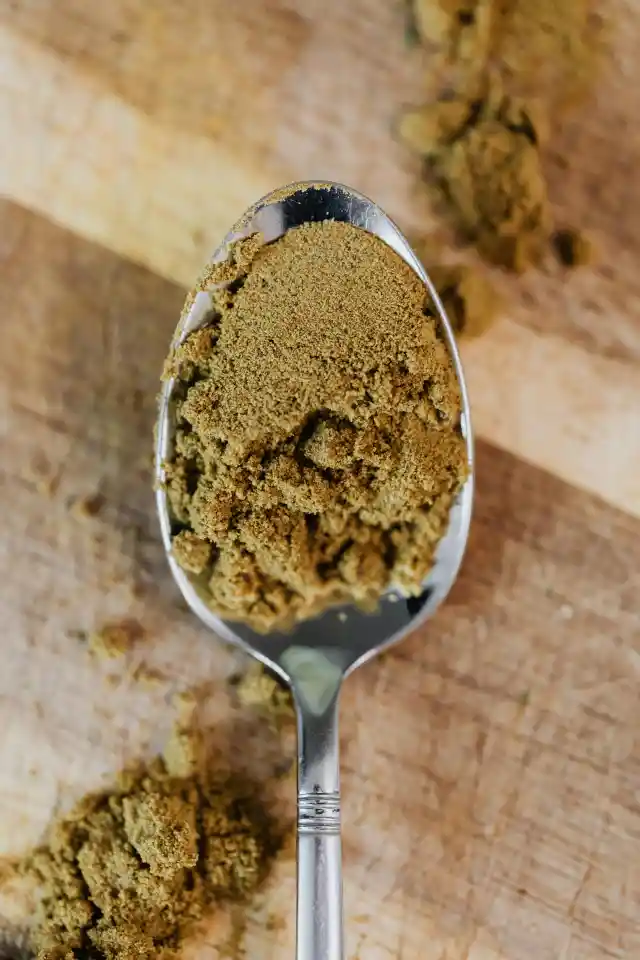

Cumin smells a little smoky, a little nutty, and instantly makes your kitchen feel cozy. It’s a common spice in chili, tacos, and curries, but it also works surprisingly well in soups, roasted veggies, or rice. If you’re cooking onions or garlic in a pan, add a small pinch of cumin to the hot oil; this brings out a deep, savory flavor that feels rich and comforting. Start with half a teaspoon, taste, and add more if needed. This is some strong stuff, so be careful not to dump it in as too much can make your food taste heavy. When used right, cumin gives your cooking that something special quality people can’t quite name, but they know they like it.
Paprika: Color and Flavor Without the Fuss
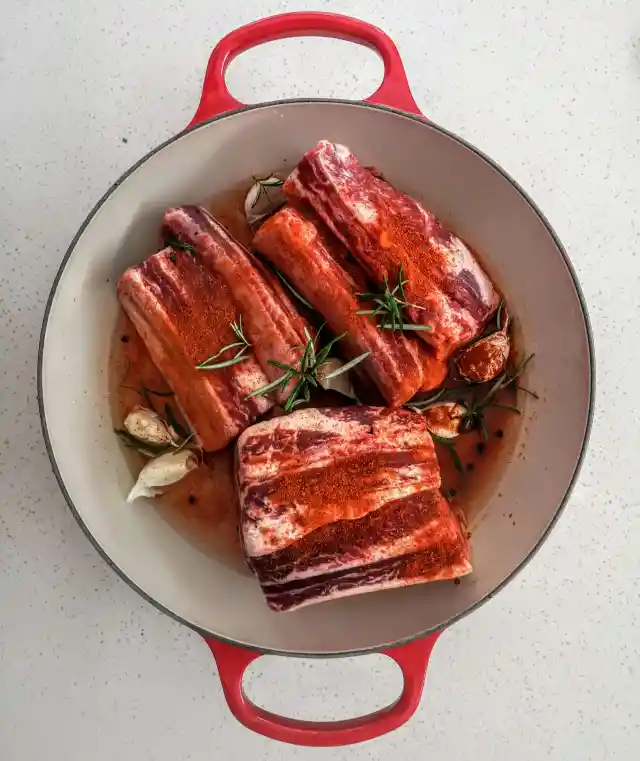
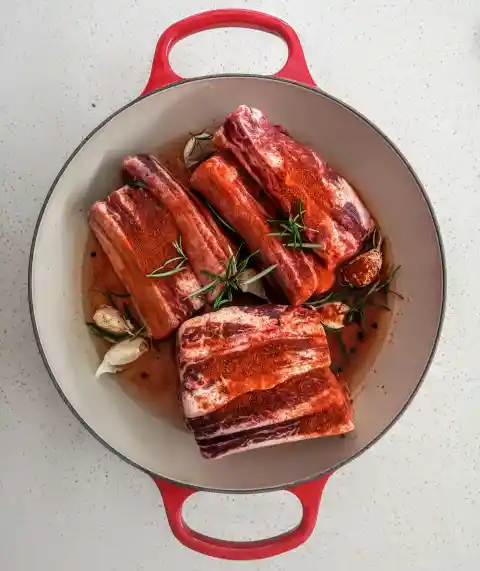
Good old paprika is one of the easiest ways to make your food look and taste better in one step. There are two main kinds: sweet paprika, which is mild and slightly fruity, and smoked paprika, which adds a gentle barbecue flavor. Sprinkle it on eggs, roasted potatoes, or chicken before baking. It gives food a rich red color and a light warmth without being spicy. Sweet paprika is great for everyday dishes, whilst smoked paprika is perfect for when you want something that tastes a bit deeper and more without the grill.
Garlic Powder: All Flavor, No Effort


Fresh garlic is wonderful, but not everyone has the time or patience for peeling and chopping. Garlic powder is your cheat code to this problem. It gives you that same savory flavor without the mess or the sticky cutting board. Use it in sauces, soups, butter spreads, or over vegetables before roasting. Half a teaspoon can completely change how your dish tastes as it blends in smoothly and never burns like fresh garlic sometimes does. It’s handy on nights when you’re tired or cooking something simple.
Turmeric: Small Pinch, Big Glow
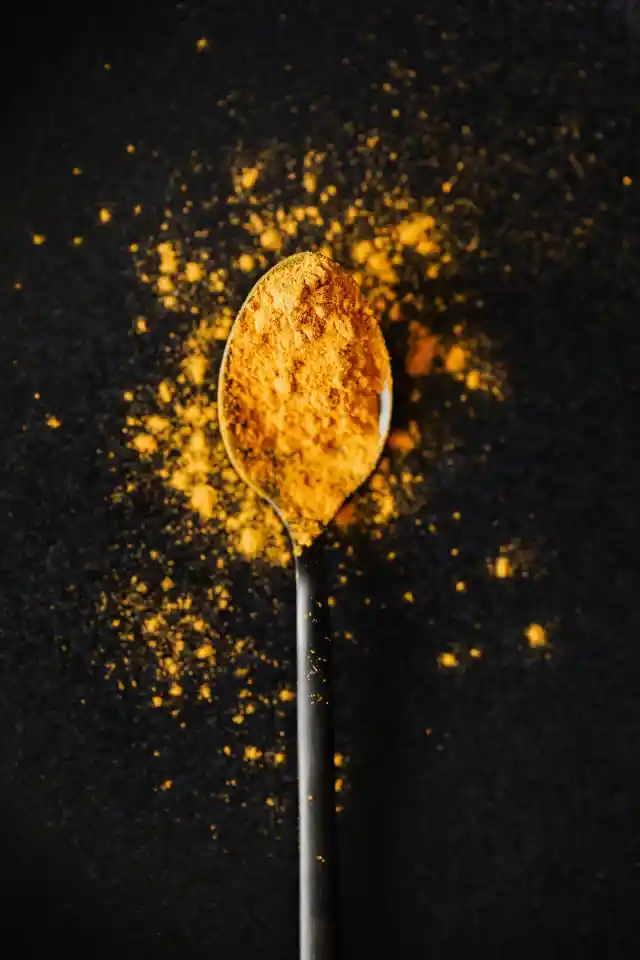
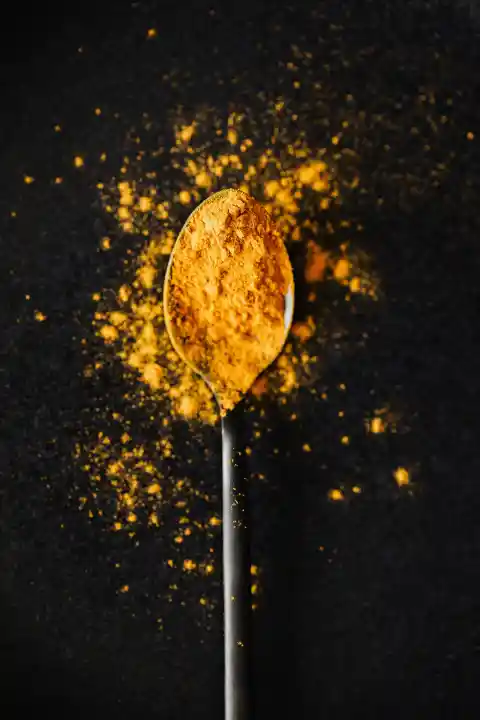
Turmeric is known for its bright yellow color, but it’s also a subtle way to add warmth to your food due to its mild, earthy flavor. You don’t need much, just enough to notice the color, so a small pinch of rice, soup, or scrambled eggs gives your dish a gentle golden tone and a bit of depth. Turmeric also makes basic meals look more vibrant. It’s the kind of spice that quietly makes you look like you know what you’re doing, even if you’re just reheating leftovers.
Cinnamon: Not Just for Baking


Cinnamon is usually seen as a dessert spice, but it’s amazing in savory food when used lightly. Just a little bit adds warmth and complexity to dishes like chili, tomato sauce, or roasted carrots. The trick is moderation. After all, you don’t want your dinner tasting like a cinnamon roll. Start with a quarter teaspoon, stir it in, and see how it changes the flavor. Turmeric gives food a rounder, fuller taste that feels comforting without being sweet. Once you try cinnamon in your next pot of chili or stew, you’ll start keeping it near the salt and pepper instead of in the baking cupboard.
Chili Powder: The Gentle Kick
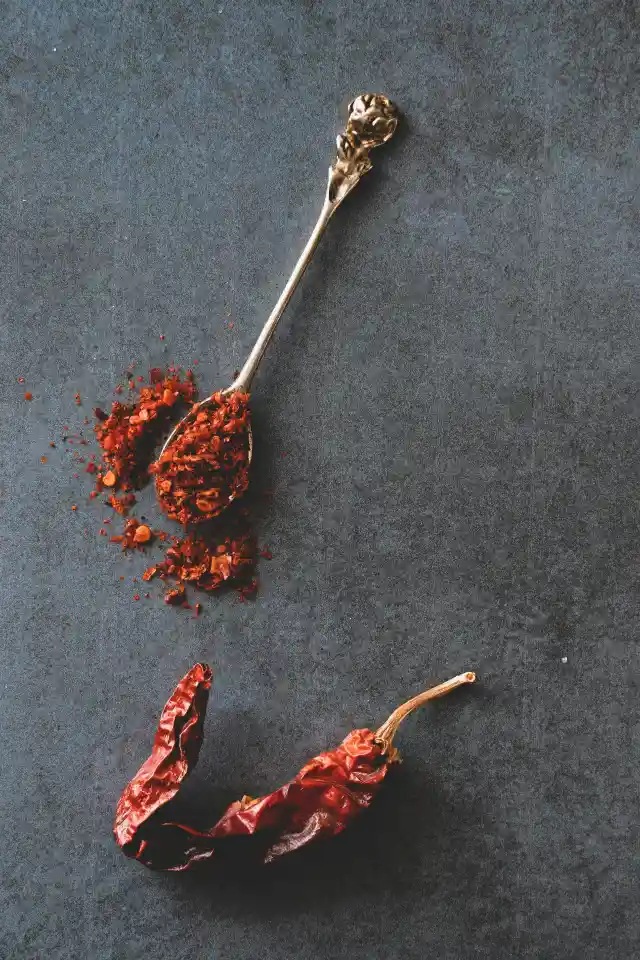
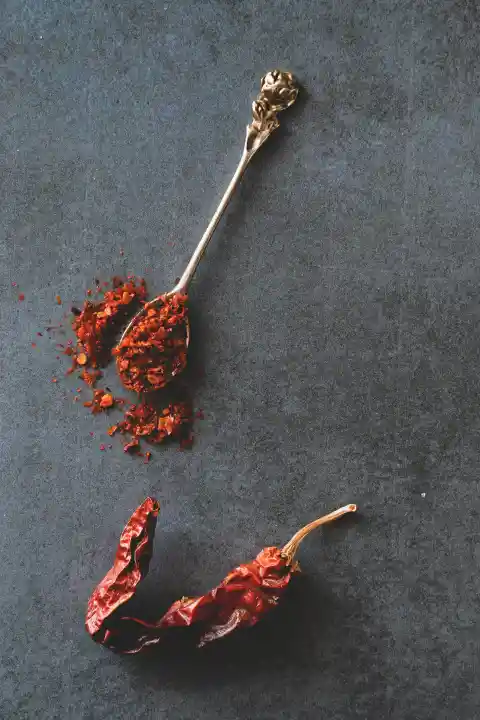
If you’re nervous about spicy food, chili powder is a friendly place to start. It’s not pure heat, just a mix of mild peppers and spices that add flavor first, heat second. This can be used in tacos, roasted chicken, beans, or soups. Add a little, stir, and taste, and you’ll notice it gives your food a cozy warmth rather than a mouth-burning fire. When chili powder hits a hot pan, the smell alone makes your kitchen feel like something exciting is happening. And the best part? You can control it completely.
Oregano and Thyme: The Everyday Duo


Okay, this is technically two spices, but they’re often used together, and they belong side by side, so we will count them as one. Oregano has a fresh, peppery taste that works with almost anything tomato-based, like pizza, pasta, soups, or roasted veggies. It’s one of those herbs that makes your food smell instantly home-cooked. Thyme, on the other hand, has a slightly woodsy flavor that fits right into meats, stews, and buttery vegetables. It adds depth without being strong or fussy. Together, both herbs are simple to use; just sprinkle them in at any point, early or late, depending on your preference. If you keep a small jar of each, you’ll find yourself reaching for them constantly. Together, they’re your reliable flavor safety net. When in doubt, a little oregano and thyme will usually make things better.